Come September, every Indian home gets ready to start a long season of both feasting and fasting. From Ganesh Chaturthi to Durga Puja to Diwali, it’s a really long stretch filled with sweets, samosas, and carb-heavy meals. Through all this joyful eating and overeating, I’ve noticed we Indians tend to fall into two camps, and no, these are not only trainers vs the rest of India!
Camp 1: The carb-fearers where rice, roti, and even fruit are treated like forbidden foods.
Camp 2: The indulgent majority who want to live life to the fullest through food, because if not for sugar and poori, why live?
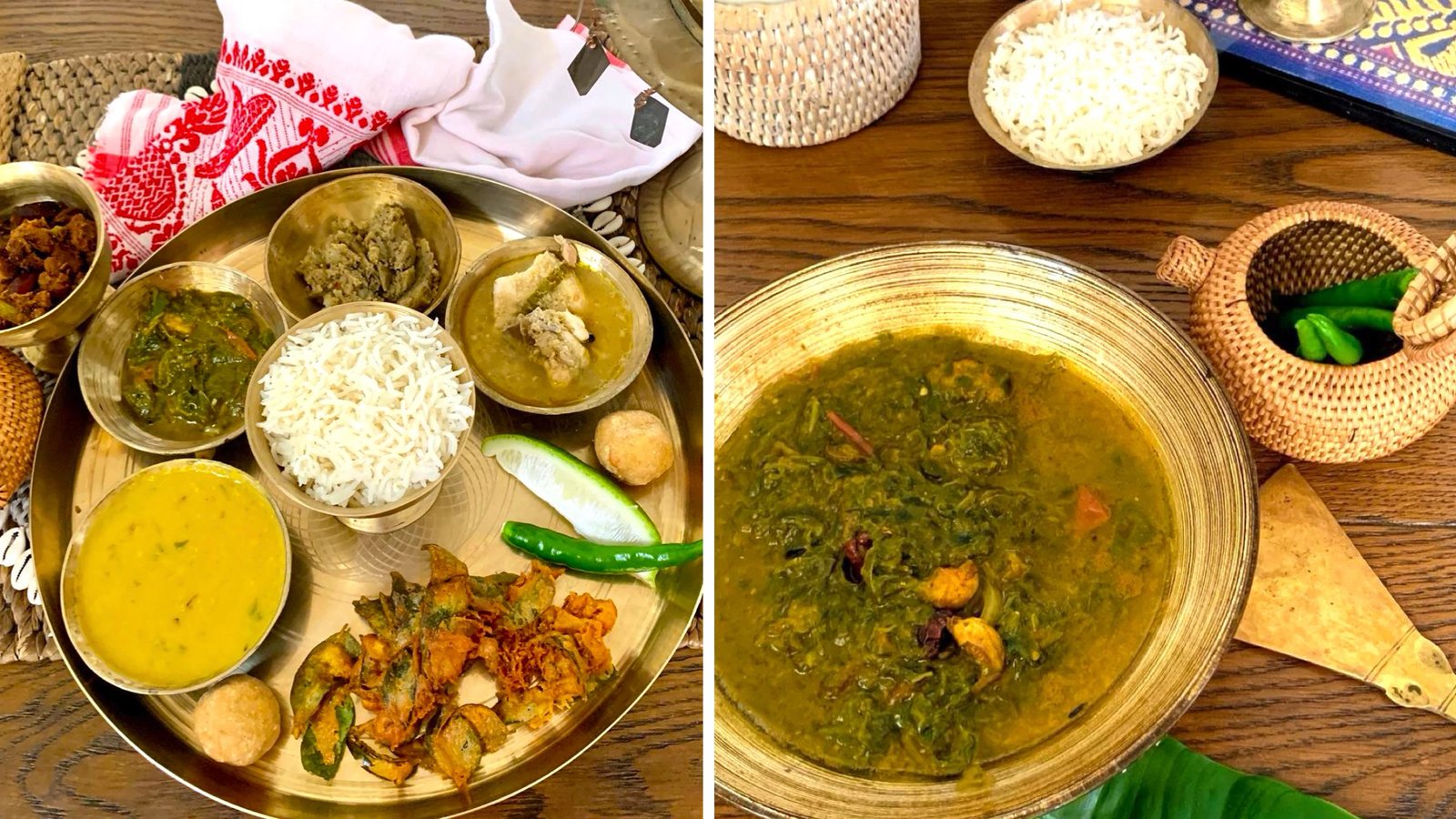
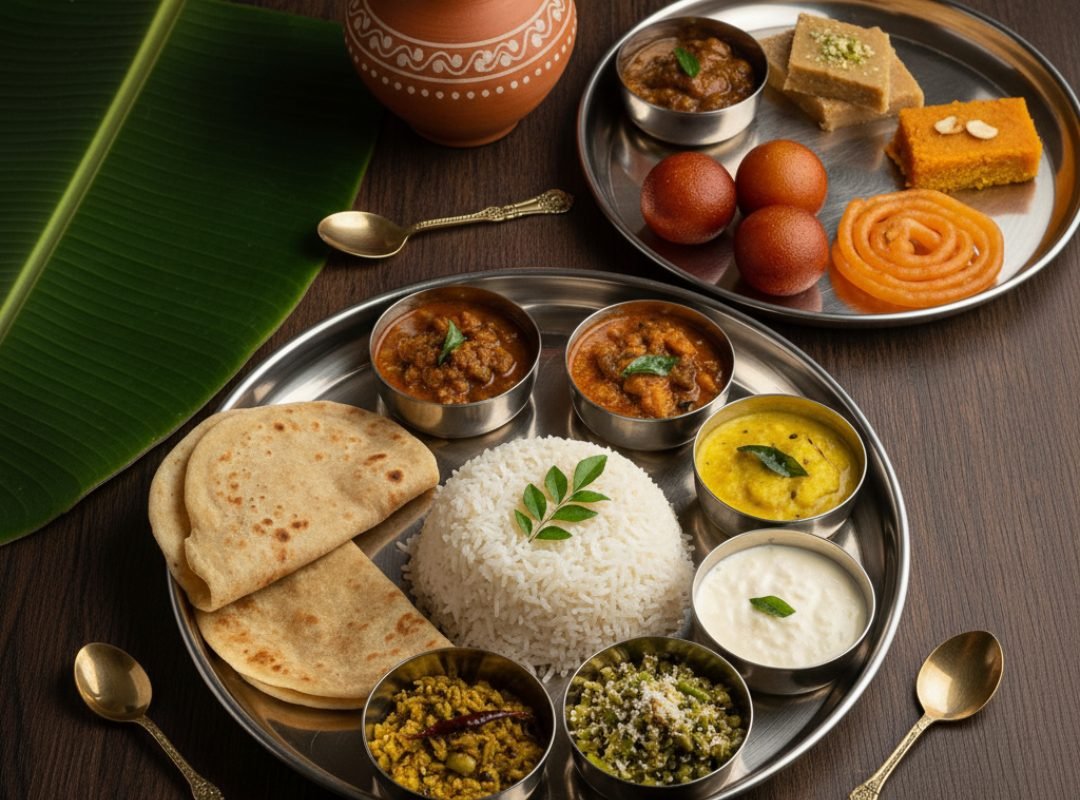
For a country where our entire food culture is built around carbs, the idea of giving up even a little bit of a kachori feels like giving up a piece of our soul. For an Indian, food is not nutrition; it is our tradition and identity passed down through generations.
Yet at the same time, while India holds the title of being the “Diabetes Capital of the World,” we are still resistant to changing long-held food habits. Much of the confusion stems from not understanding the difference between carbs, sugar, and insulin resistance. And this is where science and a little mindful self-awareness can help.
I’ll admit, I too was once terrified of carbs too. I thought they were all the same.
Eat them → Spike Sugar → Store Fat.
That was the equation in my head. So, whenever I decided to lose weight, I did what many people do. I slashed carbs to the minimum and went as close to keto as possible. The scale did move at first, but it was mostly water and muscle, not fat. My workouts felt punishing, recovery was poor, and progress stalled.
It took me years to realize: if you want sustainable fitness, strong muscles, and loss of visceral fat, cutting carbs is not the solution.
Here’s the truth: carbs are not the villain, glucose isn’t either. The real star is insulin.
Think of insulin as a key. When you eat carbs, they break down into glucose, which floats around in your bloodstream looking for a home. Insulin unlocks the doors of your muscle and liver cells, letting glucose in. Once inside, it can be burned for energy or stored for later.
When this system works, glucose powers your workouts and recovery.
But when the “lock” gets rusty, this could be from years of a poor diet, chronic stress, lack of sleep, or aging mitochondria etc, glucose can’t enter easily. This is insulin resistance.
Picture a Mumbai local at 6 PM: the train (your mitochondria) is jam-packed, commuters (glucose) are stuck outside, and nothing moves efficiently. Energy tanks, and blood sugar rises.
Most people blame insulin resistance only on sweets, rice, or bread. But it’s much bigger than that. It’s a whole-body problem:
Muscle – Your biggest glucose sink. Less muscle mass (or inactive muscles) means fewer “doors” for insulin to open. Strength training creates more parking spots for glucose.
Mitochondria – Your energy factories. When they’re damaged by stress, toxins, poor sleep, or aging, they can’t burn glucose efficiently.
Pancreas – The insulin factory. Years of overwork from constant spikes can wear it down, reducing insulin output.
Liver – A fatty, overworked liver resists insulin and even leaks extra glucose into the blood.
Stress & Inflammation – High cortisol and chronic inflammation interfere with insulin signaling.
Which means insulin resistance isn’t just about cutting carbs — it’s about building muscle, protecting mitochondria, supporting the pancreas and liver, and managing stress and sleep.
For women in their 40s and 50s: this matters even more. With hormonal shifts, muscle mass naturally declines, mitochondria slow down, and sleep often gets disrupted — all of which can accelerate insulin resistance if left unchecked.
Fixing insulin resistance is less about avoiding rice and more about improving how your whole body uses energy, especially your muscles and mitochondria, as you age.
Here’s the part that trips most people: Aren’t carbs just sugar?
Not quite.
A plate of dal chawal is not the same as a gulab jamun.
Whole foods with fiber, protein, and micronutrients release glucose steadily.
Processed carbs such as biscuits, white bread, colas, and sweets dump glucose into the blood too quickly, forcing insulin to overwork.
The real danger isn’t the glucose spike itself, but how frequent and how sharp those spikes are.
The 3 Gs of Glucose Metabolism (Made very Simple)
Your body has three main glucose pathways, and think of them as “modes” it switches between:
Glycolysis – Burn Now
Happens right after eating. Glucose is broken down, for instance, into ATP (energy). This is why carbs before or during endurance workouts feel like rocket fuel.
Glycogenesis – Save for Later
When you don’t need energy right away, glucose is stored as glycogen. Muscles can store ~300–400g of Glycogen, while the liver stores 80–100g.
This “battery pack” fuels your next workout or keeps sugar steady between meals.
Gluconeogenesis –Makes New Glucose
When carbs are scarce and glycogen is low, the body makes glucose from protein, lactate, and fat by-products. Prevents blood sugar crashes, but in the long term, can break down muscle if under-fueling continues. For midlife women, this is critical. Low-carb diets combined with hormonal shifts can accelerate muscle loss, the very tissue you need to stay insulin-sensitive.
Women’s physiology isn’t just “smaller men.” Hormones like estrogen and progesterone affect how we store and burn glucose. After 40, when these hormones decline, insulin sensitivity also drops, meaning we have to be smarter, not stricter, with carbs.
Strength Training – Builds muscle, the best glucose sink you have. More muscle = bigger glycogen tank. Essential for women in perimenopause and menopause.
Endurance Work – Long sessions deplete glycogen more heavily, so carbs before or during can prevent the dreaded “energy crash.”
Recovery Window – Within 30–60 minutes post-training, women are especially insulin sensitive. Pairing carbs with protein ensures glucose is stored in muscle, not fat.
Strength: ~0.3g carbs + 0.3g protein per kg bodyweight.
Endurance: ~1g carbs + 0.3g protein per kg bodyweight.
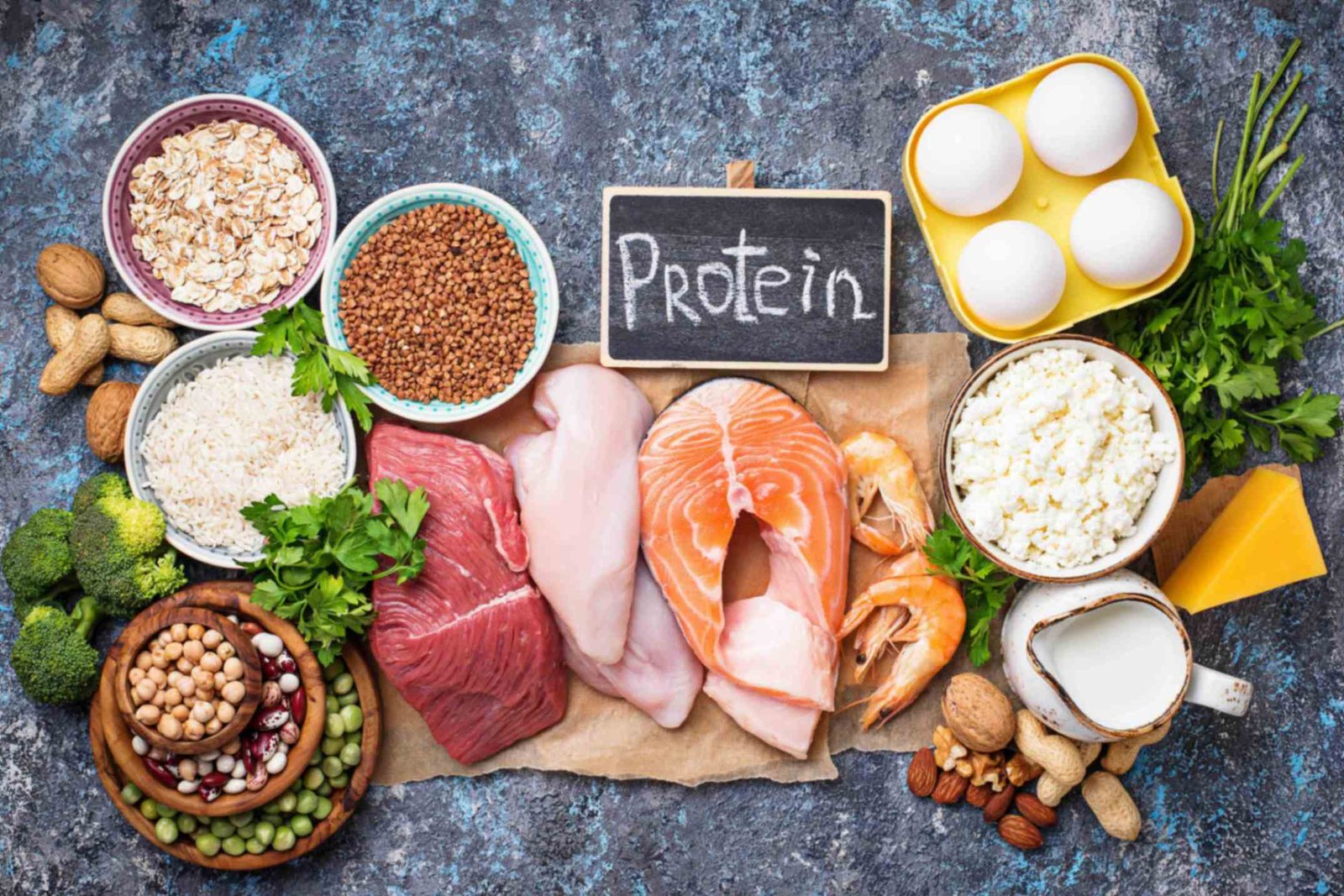
Always combine carbs with protein for better glucose control and muscle repair.
Not at all. Carbs have been part of our food culture for centuries, from rotis and dals to rice and millets. The problem isn’t the carbs themselves, but it’s how modern life has changed the way we use them.
When your day is sedentary, your muscles are inactive, your sleep is broken, and stress is high, carbs don’t get used as fuel, and they linger as excess sugar in your blood. But when you move daily, build muscle, support your mitochondria, and eat carbs in their whole, traditional forms, they become powerful fuel for your body and brain.
For women in their 40s and 50s, this matters even more as carbs can either work with you to preserve muscle, energy, and hormonal balance or against you if paired with inactivity and processed sugar.
Carbs aren’t the enemy, but refined sugar is. Whole carbs fuel your strength, while sugar in excess can slow you down. This festive season, celebrate fully, enjoy your ladoos, puris, and sweets, but do it mindfully. Relish each bite, pair treats with protein or fiber when you can, move your body, and savor the joy of the season without letting sugar take over. Celebrate both tradition and your metabolic health.