



It was around 1957 that Dr. Mildred Seelig quietly started a revolution. I highlight her name here because she is one of the many medical pioneers forgotten with time.
A brilliant American physician and researcher, Dr. Seelig, warned the medical community about something we’re still catching up to today, the fact that we are overdosing on calcium and dangerously under-consuming magnesium. This silent imbalance may be fueling everything from muscle cramps and mood swings to high blood pressure and heart disease, especially in women over 50 who are handed calcium supplements so easily.
First, let’s understand the relationship between calcium and magnesium. In many ways, it is like that of a brake and an accelerator. They compete for absorption, function in opposition in muscle cells, and need to be balanced in the right ratio to keep your nerves, bones, and blood vessels healthy. Dr. Seelig was among the first to say this loudly “Calcium is the fire, and magnesium is the water.”
Calcium contracts muscles – Magnesium relaxes them.
Calcium excites the nervous system. – Magnesium calms it.
Calcium promotes clotting. – Magnesium helps prevent it.
Too much calcium without enough magnesium is like fanning flames without a fire extinguisher.
Unlike calcium, which is mostly stored in bones and maintained tightly in the bloodstream, magnesium is a working mineral, and it gets used up constantly. It fuels over 600 enzyme reactions every single day, including energy production, nerve function, blood sugar control, and muscle relaxation. It’s also much more sensitive to lifestyle factors like stress, sugar, caffeine, alcohol, and common medications like antacids or diuretics, which can rapidly drain magnesium stores. While calcium is preserved and recycled efficiently, magnesium is easily excreted through urine, especially under stress.
Even more importantly, magnesium is mainly intracellular and acts as a gatekeeper, preventing excess calcium from entering and damaging cells. When magnesium runs low, calcium floods in unchecked, leading to symptoms like muscle cramps, anxiety, palpitations, and eventually chronic inflammation.
High calcium levels can leach calcium from bones, leading to bone pain, weakness, and increased risk of fractures. Muscle weakness, aches, and pains can also occur. This makes magnesium not just important, but essential to balance and protect calcium’s effects.
Here’s a fascinating fact that I recently discovered, which led me to further study magnesium and its importance. The right ventricle of your heart, the part that pumps blood to your lungs, is magnesium-dependent. While the left ventricle uses more calcium, the right relies heavily on magnesium to maintain healthy pressure, relaxation, and rhythm. That’s why magnesium is often used in hospitals to treat heart arrhythmias, blood pressure spikes, and eclampsia. Yet it’s rarely recommended as a daily preventive nutrient,
“Magnesium is the body’s natural calcium channel blocker. Without it, calcium floods the cells, leading to spasms, inflammation, and disease.” Dr. James DiNicolantonio, a cardiovascular research scientist and doctor of Pharmacy, writes in his book The Mineral Fix.
Your Brain on Magnesium
A 2024 UK Biobank study found that adults who consumed more than 500 mg of magnesium daily had larger brain volumes, especially in the hippocampus (the region tied to memory and emotional resilience ). This translates to the equivalent of one full year less of brain aging. Magnesium plays a key role in calming the brain and stabilizing nerve cells, protecting the blood–brain barrier, and regulating critical neurotransmitters like GABA and Serotonin.
Magnesium calms down the HPA axis, which is the brain-adrenal feedback loop that governs cortisol production, thus making the brain less reactive to stress.
It also reduces brain “noise” by calming overactive NMDA receptors, something that can trigger anxiety or mental fatigue when out of balance. So whether you’re looking to stay sharp, sleep better, or simply quiet the mental clutter, magnesium is a non-negotiable for a healthy brain. That’s not just brain fog; it’s potentially a long-term buffer against dementia.
In 2024, scientists at the University of South Australia discovered that people with low magnesium levels in their blood had more DNA strand breaks, a marker for aging, oxidative stress, and chronic disease.
“Even in healthy adults, lower magnesium levels led to measurable DNA damage, especially in those with elevated homocysteine.” (an inflammatory biomarker ) Dr. Permal Deo, UniSA. This makes magnesium not just a wellness mineral, but a core anti-aging and disease prevention agent. The findings of this have been published in the European Journal of Nutrition.
Modern agricultural practices have significantly depleted magnesium content in soil, leading to lower levels of magnesium in vegetables, grains, and fruits, even when they’re organically grown. A study published in Scientific American (2004) reported that the mineral content of vegetables has dropped by 20–40% over the past 50 years, with magnesium being among the most affected. This decline is attributed to intensive farming, synthetic fertilizers, and crop varieties bred for yield rather than nutrition.
In India, repeated cropping and overuse of phosphate-rich fertilizers further disrupt magnesium uptake in plants, making our food less magnesium-rich than it was a generation ago, even if the diet hasn’t changed.
Despite magnesium’s critical role in everything from heart rhythm to brain function, it’s rarely prescribed by Indian doctors, and that’s no coincidence. Most medical education in India focuses on pharmaceuticals and acute care, not nutrient biochemistry or functional nutrition. Magnesium is briefly covered in textbooks but almost never revisited in clinical training. Worse, the standard serum magnesium test could be misleading, since only 1% of the body’s magnesium is in the blood, and by the time levels drop there, deficiency is already severe at the cellular level. The more accurate test for Magnesium would be measuring the ionized Magnesium instead of total Magnesium, especially in evaluating individuals with Hypomagnesemia.
Yet, doctors often rule it out based on this alone. Meanwhile, symptoms of magnesium deficiency like fatigue, anxiety, muscle cramps, insomnia, and palpitations are often treated in isolation, often with antidepressants or sleep aids, rather than traced to a common root.
Dr. Mildred Seelig devoted over 40 years to studying magnesium, not just as a mineral, but as a central player in human health. Long before longevity and bio hacking became popular or profitable, she warned us that our modern lifestyles, processed diets, and calcium heavy medical advice were silently creating a public health crisis of magnesium deficiency. Today, decades later, her warnings have been echoed by a growing body of global research linking low magnesium to heart disease, brain aging, insulin resistance, anxiety, and still, so much of her work has been further studied.
While some doctors and integrative practitioners are finally recognizing the magnesium-calcium imbalance she championed, most clinical guidelines still lag behind the evidence. Magnesium isn’t routinely tested, prescribed, or prioritized despite being one of the most common and correctable deficiencies of our time. In a world overwhelmed by chronic illness, fatigue, and stress, perhaps it’s time we stop treating magnesium as optional and start treating it as essential.
Magnesium isn’t just a side note to calcium. It’s the foundational mineral that makes calcium safe and effective.
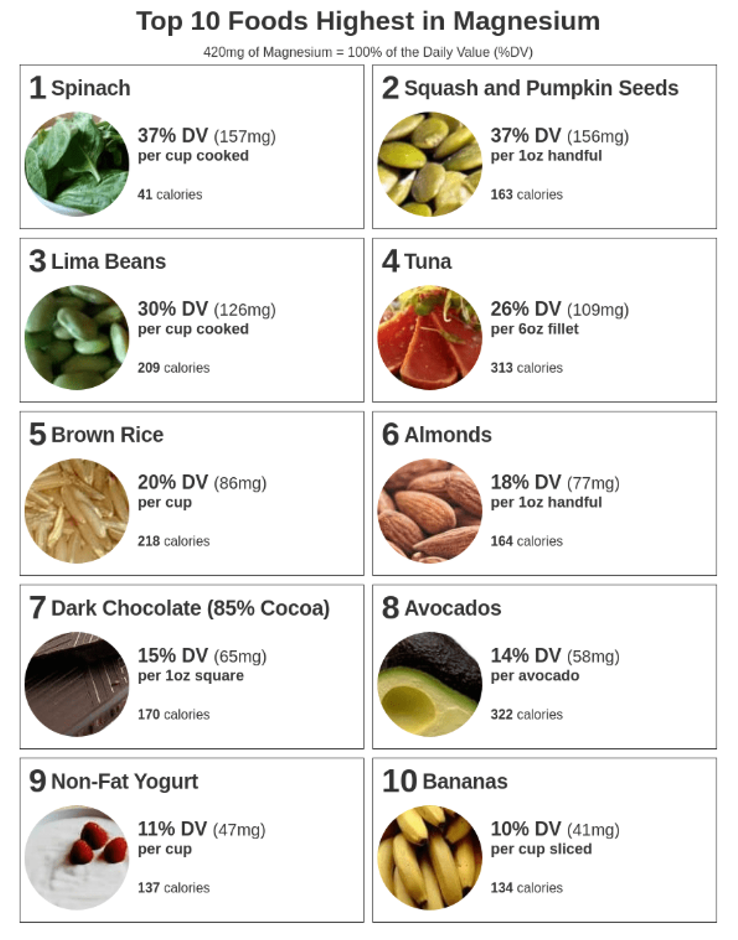
If you’re a woman in midlife, before reaching for another calcium tablet, ask