
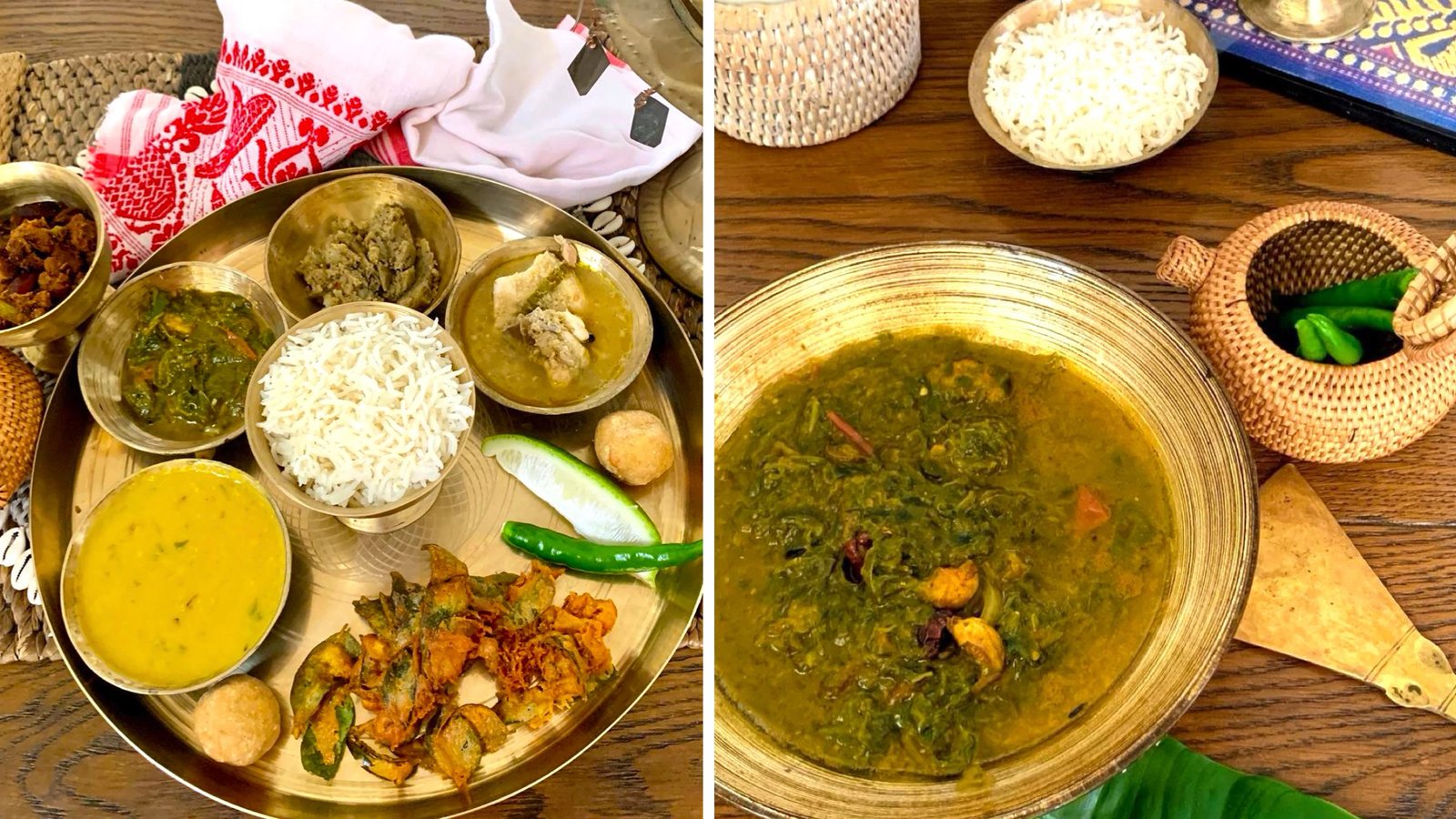
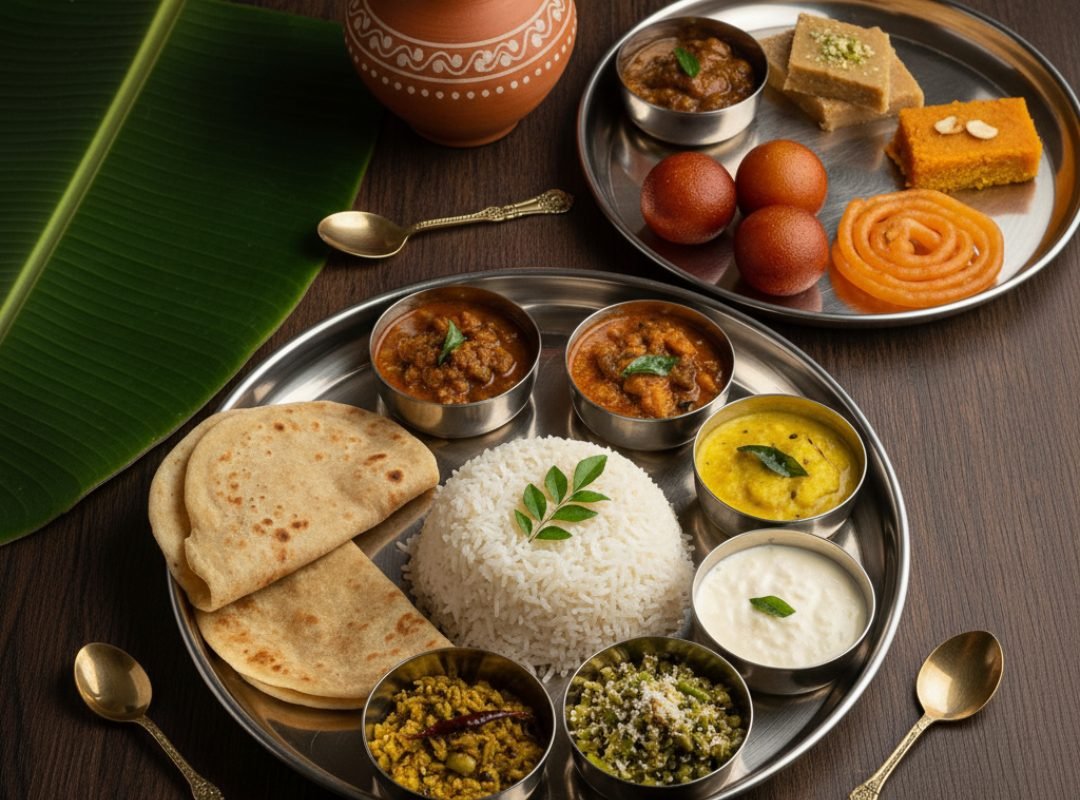
The Italians swear by their Olive oil, the French are unapologetic about using butter, for us Assamese, the unmistakable aroma of mustard oil is the heart and soul of every traditional meal. In my grandmother’s kitchen in Guwahati, mustard oil was not just cooking oil; it was about flavor, memory, and medicine, all in one. It sat in a bell-metal container by the stove, thick, golden, pungent. Back then, I didn’t know what kind of oil she or my mother used. They didn’t call it “cold-pressed,” “organic,” or “omega-balanced! It was just regular oil bought from a local wooden mill with its unique, earthy, nutty smell.
Fast forward a few decades, and I’m on Instagram, watching every influencer worth his or her salt declare war on “seed oils” and watch one of the biggest debates on the planet. Maybe the biggest one since the debate on the Big Bang theory 🙂. Everyone from scientists to social media influencers to senators has commented on seed oils and how toxic they are. But even now, no one in the scientific community has reached a definitive conclusion on what its actual impact is on the human body. Is it all that bad?
Some critics have been screaming that consumption of these oils can lead to inflammation, heart disease, and even cancer. While others say that the evidence is not enough. They say that, though there is an inflammatory concern, it’s more about the presence of seed oils in processed foods rather than the oil itself. “Until we do a controlled trial where we compare the effects of all the junk (highly processed) foods versus food without seed oils, I would argue that any change in your health is due to the combination of all the ingredients within the food, and not just the seed oils.” – Christopher Gardner, Director of Nutrition Studies, Stanford Prevention Research Center.
The pros and cons for seed oils have led to so much more confusion and fear mongering that I went through huge amounts of data and research on what this controversy was all about before going on a kitchen spring cleaning spree, removing oils.
Firstly, it’s important to understand what these oils are, as “Seed oils” can literally mean just about anything. Most oils like sesame, mustard, sunflower, canola, soybean, and even olive oil, come from seeds or fruits. The critical difference lies in not what they have been made from but how they are processed and how they behave in the body.
If there was a culprit list, however, nicknamed the Terrible Eight, they are – Canola (rapeseed), Corn , Cottonseed oil , Soybean oil, Sunflower oil, Safflower oil, Grapeseed oil, Rice Bran oils. These are the heavily processed industrial seed oils extracted using high-heat and chemical solvents like hexane, bleaches, etc, and are usually odorless and colorless. These processes oxidize the oils, removing all the important nutrients like Vitamin E and antioxidants, and can form potentially inflammatory byproducts.
They are also extremely high in omega-6 fatty acids, which, when consumed in excess, can promote chronic inflammation leading to insulin resistance, oxidative stress, and heart disease in the long run as per the
This, to me, is the most important aspect in the seed oil debate and one which remains the most controversial – the balance between the omega-3 and omega-6 oils ratio.
All dietary fat sources are a mix of saturated, monounsaturated (MUFAs), and polyunsaturated fatty acids (PUFAs).
Saturated fats: No double bonds (butter, lard, coconut oil )
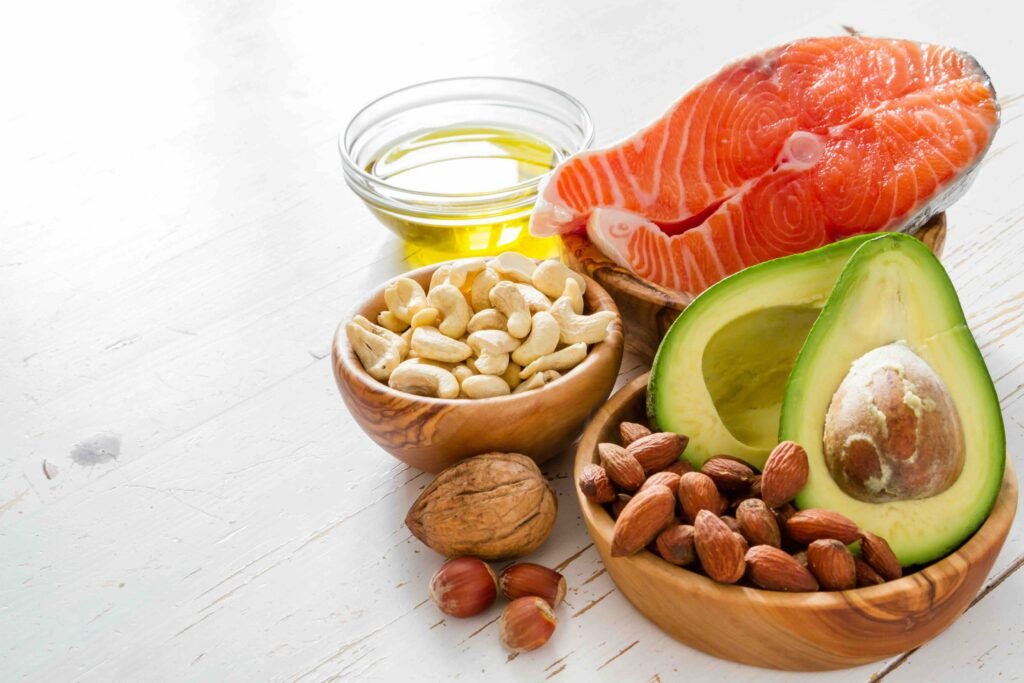
Monounsaturated: One double bond (Olive oil, avocado oil )
Polyunsaturated: Multiple double bonds (fish oil, vegetable oils)
All oils include a mix of these types of fats; however, different varieties vary in the proportion of fat they contain. Seed and vegetable oils typically have the highest levels of polyunsaturated fats (PUFAs). These can be split into two categories: omega-6 and omega-3 fatty acids. Both are “essential” fats, meaning our bodies can’t make them, and because they are essential, we must get them from food. But they both play very different roles.
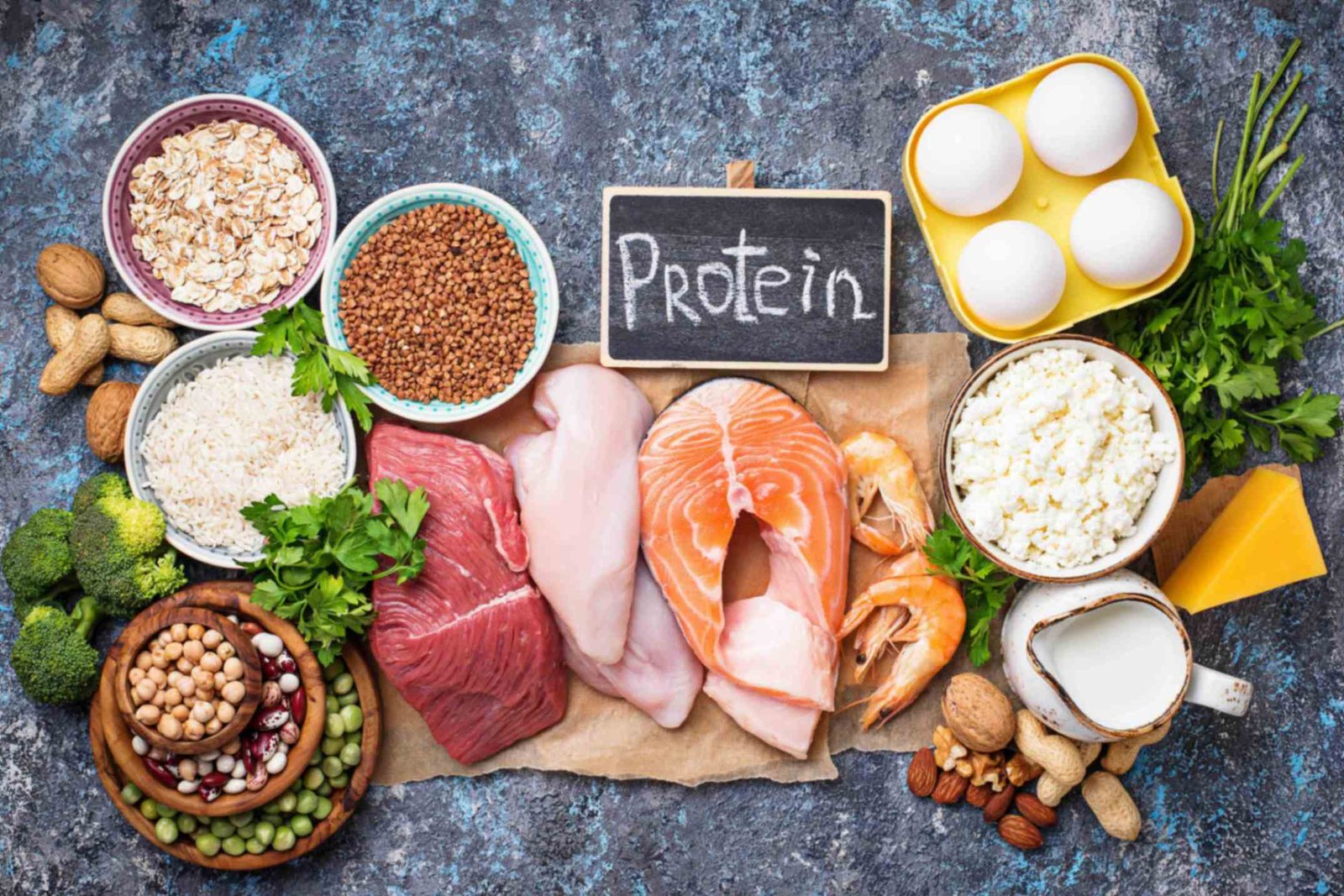
Omega-3s are found in flaxseeds, walnuts, and fatty fish are mostly anti-inflammatory and help with brain health, heart protection, and healing. Omega-6s – found mainly in seed oils like sunflower, soy, and corn are needed for immunity and cell function, but in excess, may drive inflammation. The reason is that linoleic acid (LA), the most common omega-6, is converted into arachidonic acid (AA ) in the body, which is a building block for compounds that cause inflammation.
Now the plot thickens even more because not all AA is evil, as it also helps in immunity, wound healing, and brain function, so removing it completely from your diet is also not recommended. AA uses its two different pathways (COX and LOX) to produce powerful chemical messengers, which are part of your immune system. They tell your body when to turn inflammation on and when to turn it off. So, while AA can trigger inflammation, it is also essential for stopping it.
In the 1960s and 70s, India, like many other Asian countries, mirrored what was happening in America. We saw a major dietary shift driven by the fear of cholesterol and heart disease. Traditional cold-pressed oils like mustard, sesame, coconut, and ghee were suddenly labeled “unhealthy” due to their saturated fat content. Influenced by American nutritional advice and aggressive marketing, many households began replacing these with refined seed oils like Saffola, which were promoted as “heart-healthy “. The yellow Saffola tin with its promise of life insurance became a fixture in all middle-class kitchens. These were mass-produced, economically priced, shelf-stable, and soon they became widely used in all processed foods, snacks, restaurants, and packaged meals.
What wasn’t discussed was how these oils were chemically processed, stripped of nutrients, and loaded with omega-6 fats, quietly tipping the balance of fats in our diet and changing the way we cooked, often without us even realizing it. At the same time, our intake of omega-3-rich food such as fish, flaxseeds, and leafy greens slowly plummeted. Historically, humans had always consumed omega-6 to omega-3 in a ratio of 1:1 to 4:1. But modern diets have now pushed this ratio to 20:1 or higher because of a lack of whole fruits and vegetables, and more processed foods, and therein lies the big problem. A tip in the balance.
Dariush Mozaffarian, professor and director of the Food is Medicine Institute at Tufts University in Massachusetts, “New research shows that omega-6 fatty acids give rise to unique natural molecules, like lipoxins, that have powerful anti-inflammatory effects in the body. Seeds are one of nature’s most nourishing gifts; a package of beneficial healthy fats,” says Mozaffarian. That something so well studied within nutrition science has had such a backlash has been a source of confusion for some scientists.
So, while the debate continues and people rage on both sides, I can say that seed oils are not inherently evil. What you need to know is that too much of the wrong kind with too little of the right kind throws your body into an inflammatory loop. The keyword, as always, is moderation.
Yes, on top of the oil chart is, of course, Extra Virgin Olive Oil or EVO with its near-perfect omega 3:6 ratio and moderately high smoke point safe for Indian cooking. However, it is expensive, and good-quality EVO is not easily available. It’s probably worse for us to buy and use low-grade grade cheap olive oil imported in plastic bottles than to use local oils. It’s better to stick to local oils and stay authentic to the food as well as the region. Here are a few tips to try and make the seed oil debate as easy to understand.
3. Limit all your processed food. You may not realize that these oils sneak into almost everything – fried snacks, processed foods, packaged chutneys, even store-bought pickles.
4. Try cooking and eating foods with less oil. Use alternative methods of cooking to change your meals and reduce oil usage. Steam, slow cook, bake, and grill for variety.
5. Finally, rotate your oils – My grandmother didn’t know “omega-6” or “inflammation, but she rotated oils depending on season and the dish she was making. She used spices, ate whole foods, and stayed authentic to the food she was making. And that’s what kept the balance.
For decades, we have traded our traditional oils for plastic bottles that promised heart health and progress. But more and more science is beginning to confirm that food in its closest-to-natural form, cold-pressed, seasonal, and balanced, nourishes more than just the body. It keeps inflammation in check, supports hormones, and honors our genetic blueprint.
To me, the debate around seed oils isn’t about fear – it’s about informed choices. It’s about understanding that not all fats are equal, that omega balance matters, and that processing changes everything. “In the end, it’s not just about the oil you cook with – it’s about the story it tells on your plate and in your body.”
Few References:
https://news.stanford.edu/stories/2025/03/seed-oils-health-stanford-nutrition-expert
https://www.statnews.com/2025/03/06/butter-versus-seed-oils-jama-internal-medicine-study/
https://www.health.harvard.edu/heart-health/seeding-doubt-the-truth-about-cooking-oils