Recently, I was at dinner with my son and some of his friends, all of whom are studying at universities in various parts of the world. All the young men gathered around my dining table, talking about gaining muscle in the gym. Most of them were between the ages of 18 and 21, and I found myself in the middle of a familiar debate: “How much protein do we really need?”
Some were worried about “too much protein being harmful.” Others were obsessed with scoops of whey powder. Another mentioned how his grandfather had become a vegetarian as it is supposed to be healthier with age.
It then struck me how easily protein gets reduced to a gym supplement when in reality, it’s far, far bigger than that. Most forget or do not realize that more than half of your body, from the hemoglobin that carries oxygen in your blood to the neurotransmitters that regulate your mood, is built on proteins and the amino acids that come from them.
Yet in India, our conversation around protein is almost upside down. Most Indians consume far less than the recommended levels, often without realizing it . While the West worries about “overconsumption,” our challenge is the opposite, as we are a protein-deficient nation with around 73 % of our population protein-deficient, as per a Survey done in 2017.
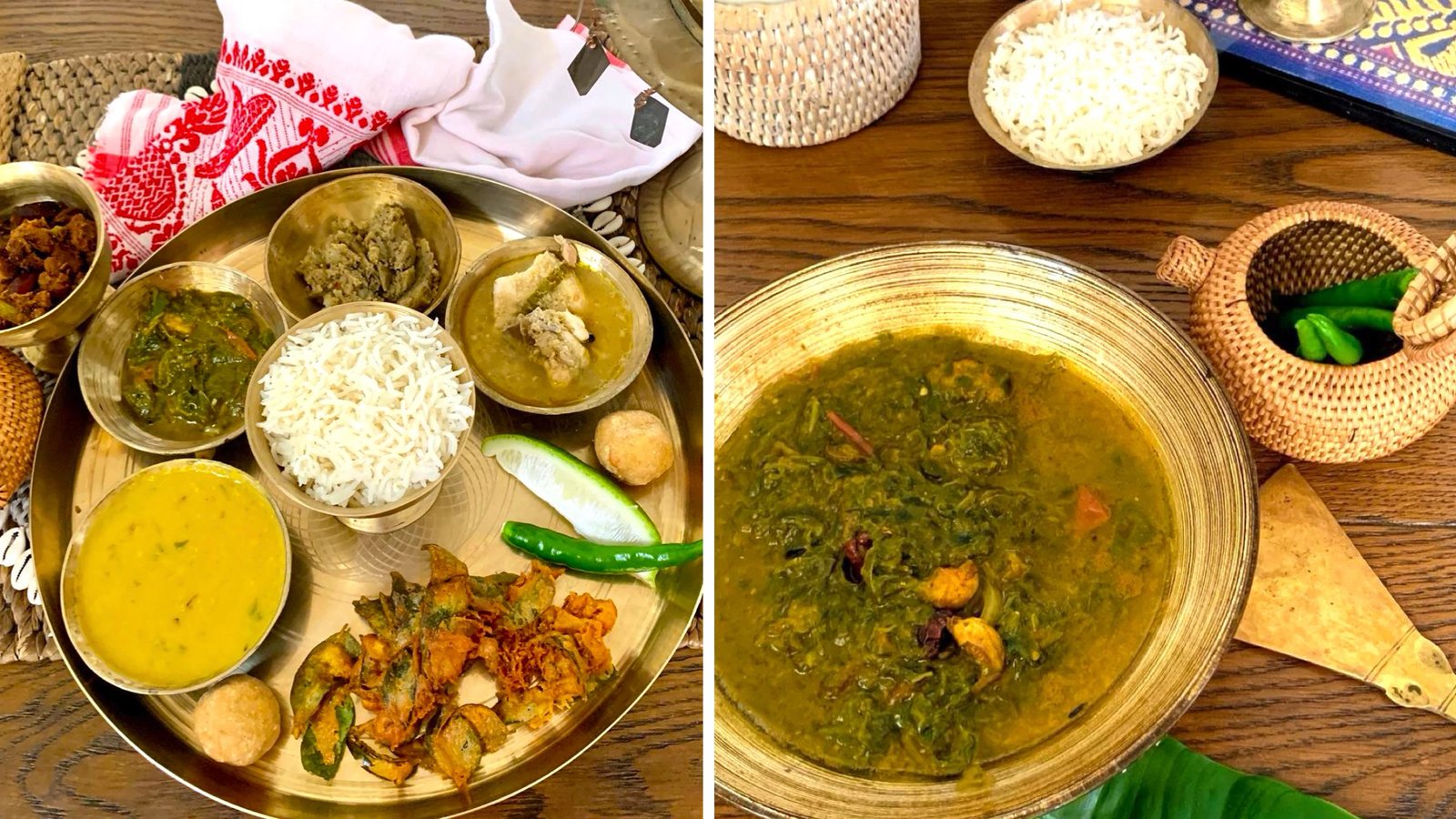
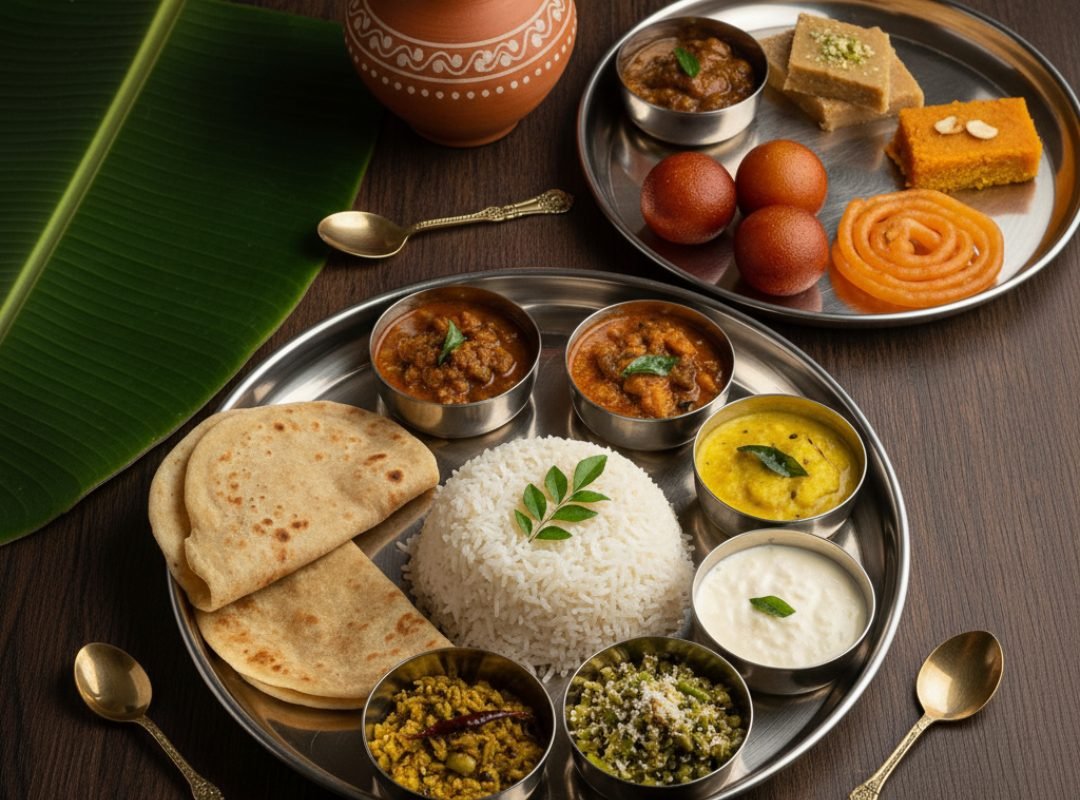
Like any other country, India’s plates are shaped by its fields. For centuries, we were an agricultural community, and people worked long, punishing hours under the sun, ploughing fields, harvesting paddy, and hauling grains. Their bodies craved quick energy, and cereals like rice, wheat, and millets delivered exactly that: cheap, dense, affordable carbohydrates to fuel heavy labor. But today the working diaspora has changed from farm to tech offices, and our diet designed for high-energy farm work has lingered into a lifestyle of desk jobs and low physical activity. Our thalis are still piled high with rice and rotis, with very little protein on the side.
Even today, 46–47% of rural India’s protein and 39% of urban India’s protein comes from cereals, sources low in quality amino acids. So while carbs were once survival food for farmers, in today’s urban India, they have become imbalanced fuel, filling us up, but leaving us protein-deficient.
The global guideline is around 0.8 g per kg body weight just to survive.
Remember: this number is a minimum requirement, not an upper limit. Unfortunately, most Indians struggle to even hit the minimum.
Protein Beyond the Muscle
The more I talk to people, the more I realize most think that protein is just for bodybuilders. The boys in my dining room were taken aback when they learned how many vital functions depend on it.
So, no protein is not just about muscle. It is exactly as your class 4 biology textbook taught you – a building block of life
However, the interesting paradox is that most young people believe they need huge amounts of protein to “bulk up.” The truth is that unless you’re training hard, your needs are not as high as you think. A healthy young adult can usually meet requirements with a balanced diet of protein, carbs, and fibre.
In contrast, adults over 40, especially women after menopause, often need more protein than they currently eat. This is because of a phenomenon called anabolic resistance, which simply means that as you age, your muscles respond less efficiently to protein.
Protein and Fibre: The Unsung Duo
Another overlooked truth: protein needs fibre to do its job well.
The Indian Dietetic Association reports that the average Indian consumes only 15 g fibre/day, far below the recommended 25–30 g/day. That means we’re often missing both protein and the very partner that helps us use it efficiently.
One of the myths I find myself busting over and over is this: the older you get, the less protein you need. The truth is the opposite. With age comes anabolic resistance — your muscles don’t respond to protein as efficiently as they once did. What triggered muscle growth at 20 may barely maintain it at 50.
At 51, my body actually needs more protein than my 21-year-old son. He can get by on less protein — it may not be the most efficient for muscle growth, but it won’t make him metabolically unhealthy. For me, skimping on protein would mean weaker muscles, slower recovery, lower immunity, and a greater risk of insulin resistance and frailty.
You will see in many homes that senior citizens are prescribed ‘Ensure’ or meal-replacement drinks, which are poor-quality, low-protein formulas instead of real quality protein, which will have a better impact with less sugar load, which no one needs at any age.
But here’s the reality check for every young person – excess protein without activity is no different from excess sugar. For older adults, extra protein supports immunity and a body that naturally weakens with age. But for the young and sedentary, if you eat more protein than your body can use, it doesn’t magically turn into muscle. Surplus protein is converted into glucose and, eventually, stored as fat. Protein protects you only when paired with movement. So chasing protein powders without exercising isn’t just unnecessary, it can even be counterproductive.
It’s also critical to spread protein across 3 meals rather than dumping it all into one sitting. Why? Because your body can only use a limited amount of protein at a time to trigger muscle protein synthesis, which is roughly 25–35 grams per meal for most people. The rest is oxidized for energy or converted into glucose. Spreading protein intake evenly ensures your muscles get repeated “signals” to repair and grow, keeps hunger hormones steady, and prevents big energy dips or cravings later in the day.
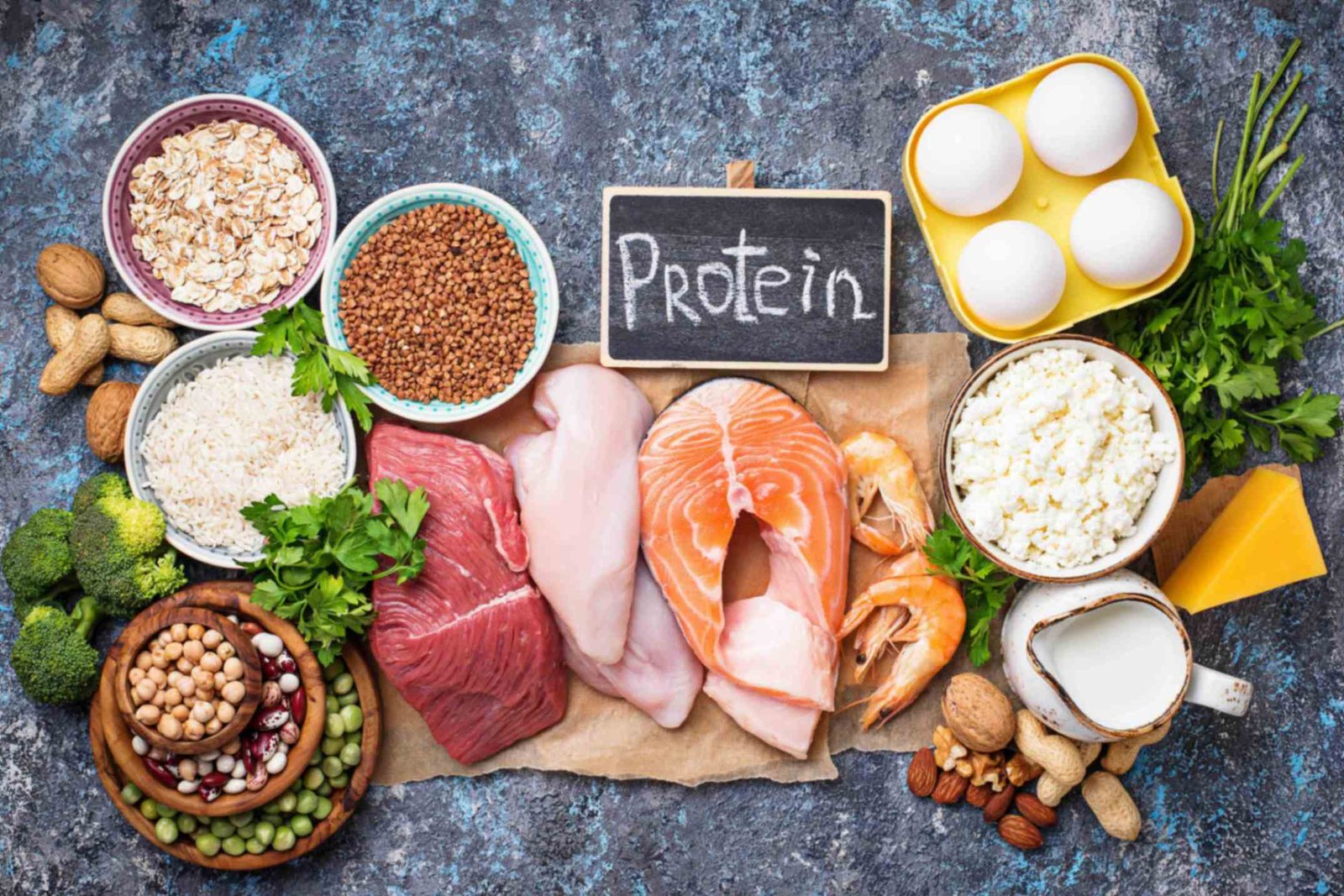
When people abroad think of a “non-vegetarian diet,” they picture a 200 g steak on one plate that’s 50 g protein in a single sitting, if not more. But in India? “Non-veg” usually means a curry shared by the whole family. Half a kilo of chicken or fish, stretched into gravy, feeds five people. Everyone gets more masala than meat. Per capita meat consumption in India: 3–5 kg/year, among the lowest in the world, compared to 100+ kg/year in the US.
That’s why even self-described “meat eaters” here often fall short of daily protein needs.
Think protein per meal, not just per day. Aim for 20–35 g per meal and 30–40 g if you’re bigger or older .
Always start your day with protein.
Small additions make a difference
Roti → Add chana/soy flour
Chutney → Add roasted peanuts/ flax/chia
Idli/Dosa → Fermented + Protein Twist
Dal Tadka → Moong + Masoor + Chana
Sabzi → Paneer/Tofu Add-In
The Idea – Don’t “add one protein food” but build it into every layer of the meal.
So your roti has some, your sabzi has some, your dal has more, and even your chutney or dessert contributes. By the end of the day, your plate naturally hits 80–100 g protein without ever feeling “Westernized.”
India may be called the diabetes capital today, but that story can change. Something as simple as adding more protein to our traditional plates can slow sugar spikes, improve satiety, and support better metabolic health. Protein slows gastric emptying, blunts the post-meal glucose spike, and stimulates satiety hormones like GLP-1 and PYY, while reducing ghrelin (your hunger hormone) – it is easily one of the simplest ways to naturally cut down sugar cravings. By shifting the balance with just a little more beans and lentils, yogurt paneer, fish, eggs, or seeds, we can protect ourselves and rewrite the narrative. More protein is not just food for muscles; it’s food for our future.