
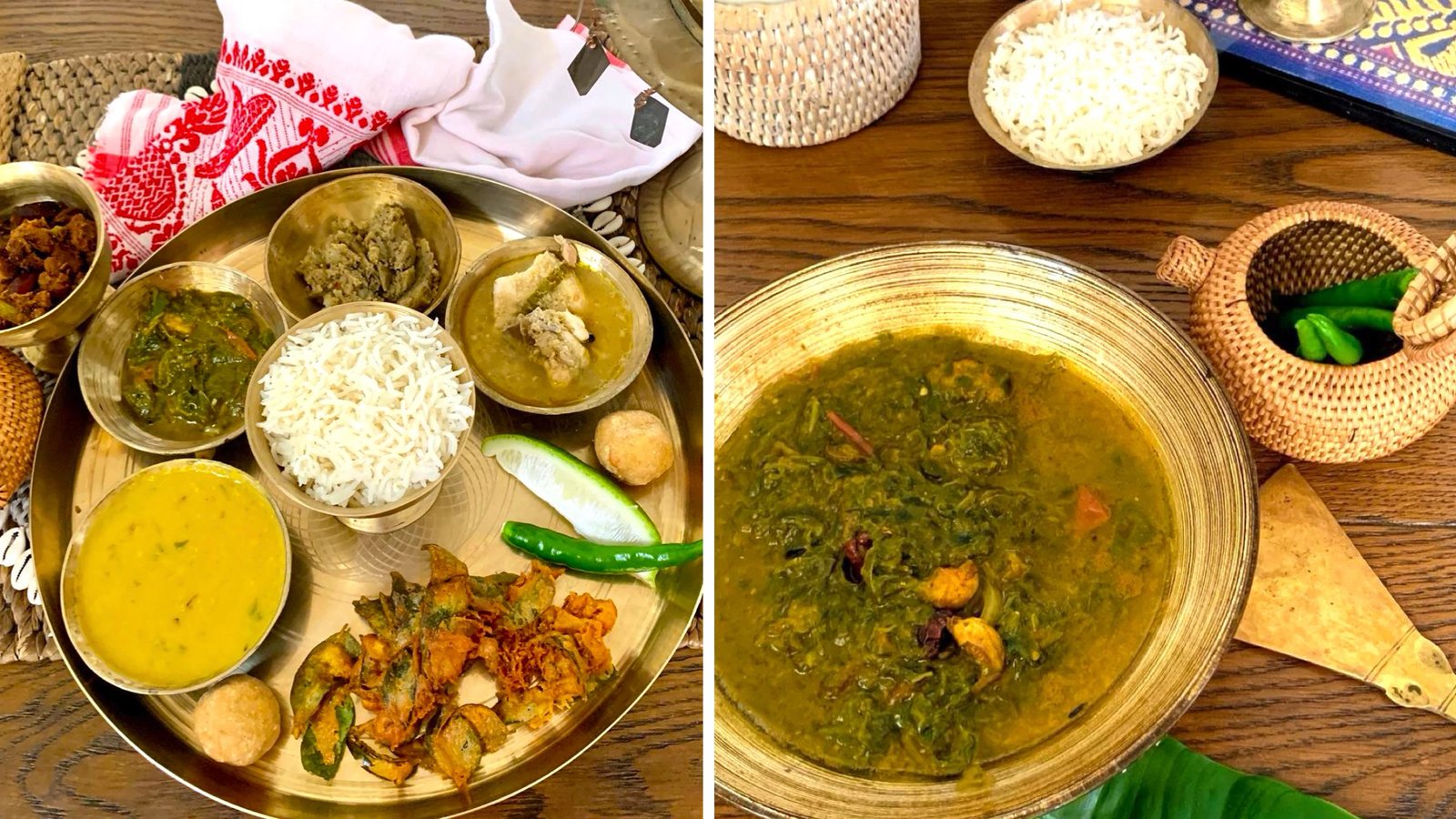
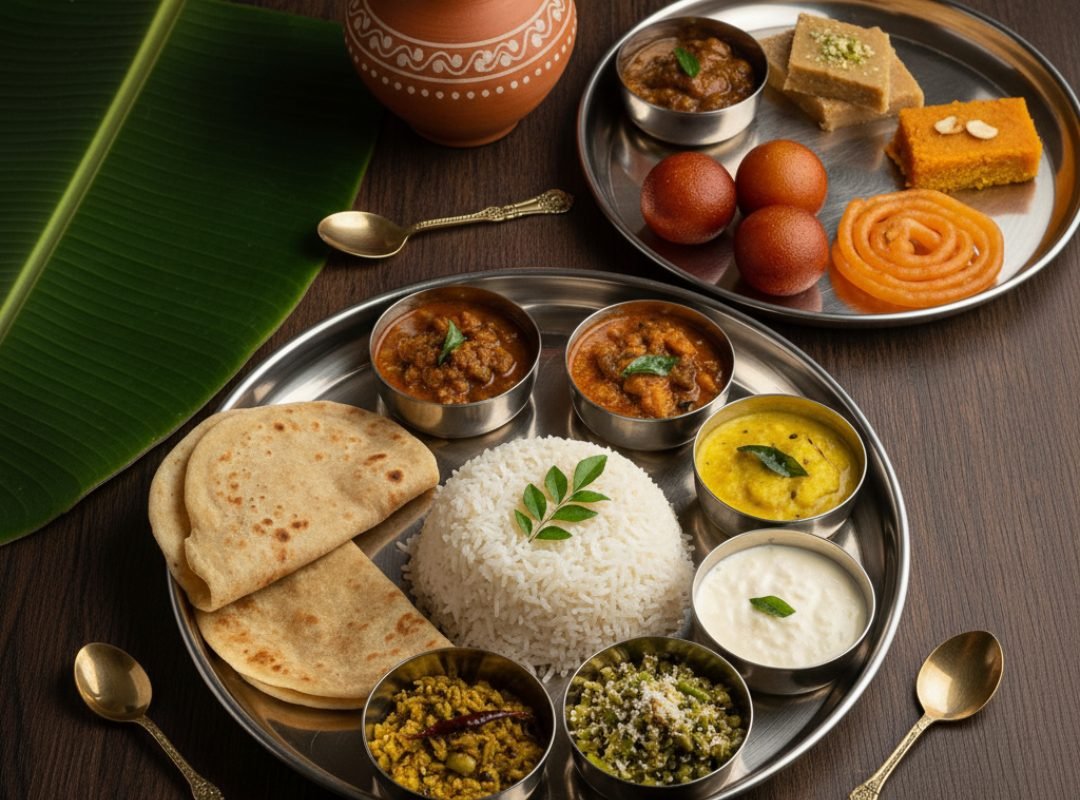
If you think fibre only comes from the sad side of lettuce and cucumber, we need to have a chat. Yes, greens are important; they bring antioxidants, hydration, and volume to your meals. But if your idea of “eating more fibre” is just adding more salad leaves, your gut bugs are quietly starving.
Fibre is a family and leafy greens are just one branch. The real fibre heroes? Think beyond the salad bowl, your dal, a handful of soaked chia seeds, a bowl of oats, a spoonful of flax, the skin of your apple, or that humble forgotten beet leaves they all count. Some of the highest fibre foods don’t even look like “vegetables.” Fibre hides in lentils, whole grains, seeds, fruits with peels, and the morning chia pudding breakfast you love.
In recent years, the diet world has become binary- either you’re “cutting carbs” or “upping your protein”. However, here’s the catch: fibre is not a carb, unlike sugar. And fibre is not a macronutrient that builds muscle-like protein, so it rarely gets noticed. Yet, the rise in diseases like Type 2 Diabetes, PCOS, gut disorders, and autoimmune conditions have much more to do with our fibre deficit than only just an excess of carbs per se.
Statistics show that the average Indian consumes less than 15g of fibre per day, whereas the recommended intake is 25–40g. Urban women especially fall short, often consuming even less than 10g daily.
So first, what exactly is this fibre?
Fibre is not raw food. It’s the part of plant-based food your body cannot absorb – plant roughage, resistant starch, and prebiotics that survive digestion. Dietary fibre is the indigestible part that passes through your digestive system without being broken down like other carbs. It acts like nature’s broom, physically sweeping through your digestive system and removing toxins, and it also acts as a prebiotic, providing food for your gut microbiome.
Here are real fibre sources from the Indian kitchen:
It comes in two main forms: soluble fibre, which dissolves in water and forms a gel-like substance that slows digestion and stabilizes blood sugar, and insoluble fibre, which adds bulk to stool and keeps things moving through your intestines.
In a nutshell here’s what fibre does:
The Gut-Brain Axis
When your gut bacteria ferment dietary fibre they produce short-chain fatty acids (SCFAs). These are mainly butyrate, propionate, and acetate.
Butyrate is the primary energy source for colon cells. It strengthens the gut lining, reducing inflammation and improving nutrient absorption, including amino acids from protein digestion. Without butyrate, even the best protein intake may not be efficiently absorbed or utilized..
Propionate travels to the liver, where it influences hepatic gluconeogenesis or the liver’s ability to create insulin from non-carbohydrate sources like proteins and amino acids. This can improve insulin sensitivity, which indirectly supports better nutrient uptake and muscle anabolism. Together, SCFAs lower intestinal pH, reduce gut permeability and modulate inflammatory pathways, all of which are crucial for efficient digestion, muscle repair, and immune function.
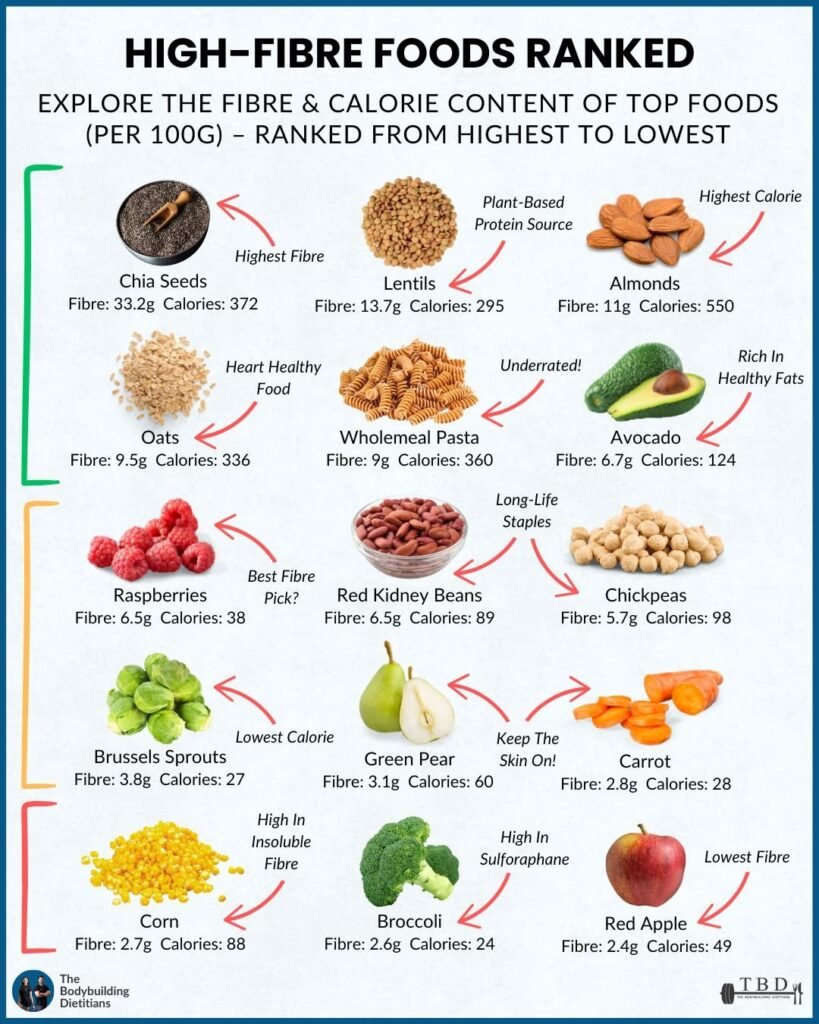
Here are real fibre sources from the Indian kitchen:
So yes, while protein is essential, its true power is unlocked when your gut is rich in fibre that feeds the microbes that make SCFAs, the hidden team behind your recovery, strength, and hormone balance.
No fibre = No SCFAs = Gut dysbiosis + inflammation + no absorption of nutrients.
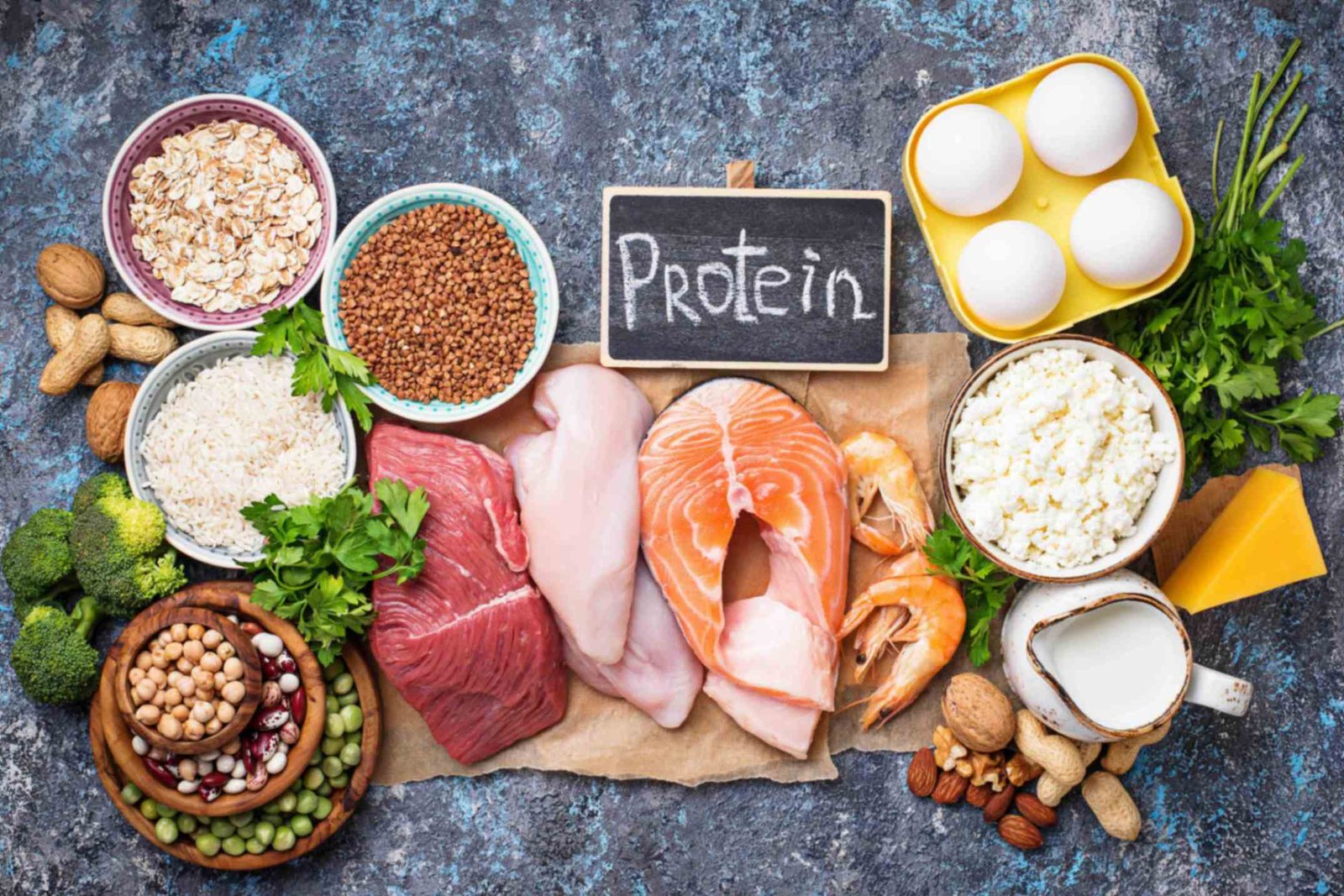
Yes, many Indians (especially vegetarians) don’t get enough complete protein. But protein won’t work properly without fibre, because fibre supports digestion, detoxification, and microbial balance that helps with nutrient absorption.
If you’re tired of the “protein-only” narrative and the fear of carbs, try this – count your fibre grams for a week. You might be surprised at how little you’re getting and how powerful that one shift can be.