
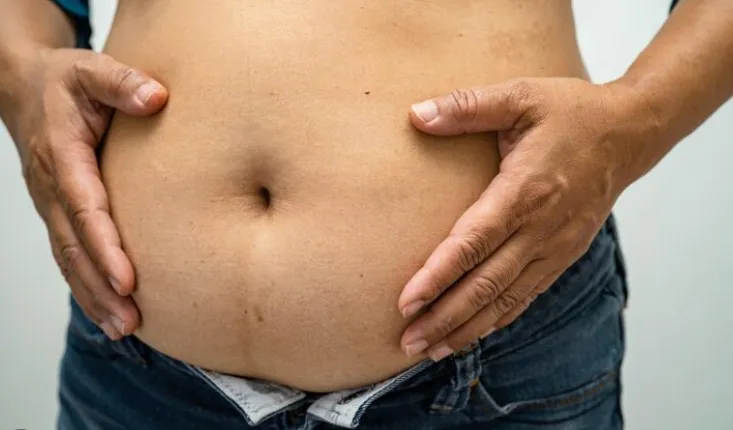
Bloating after eating is one of the most common digestive complaints today, particularly among urban, health-conscious adults in India. What makes it frustrating is that it often appears despite eating well – home-cooked meals, more vegetables, less processed food, fewer indulgences.
Many people reach this point wondering, “Why am I bloated after eating, even when my diet is healthy?”
The answer is rarely about a single food. Persistent bloating is usually a signal that how the gut functions matters more than what the gut is fed.
Digestion is not just about food choice. It depends on how efficiently food is broken down, how well nutrients are absorbed, how balanced gut bacteria are, and how smoothly food moves through the digestive tract. When these processes fall out of sync, bloating becomes a predictable response – not a random one.
This is why bloating often persists even after eliminating common triggers like dairy, gluten, or sugar. Removing foods may reduce symptoms temporarily, but it doesn’t explain why the gut is reacting in the first place.
In this article, we’ll explore:
The goal is not to label bloating as a problem to suppress, but as information – an early signal that your gut is asking for attention.
Many a time, people ignore bloating after eating because they think it’s just a little digestive problem. However, when it happens a lot, it’s a sign that something is wrong. It shows how your gut is reacting to meals, not simply the food itself.
From a physiological point of view, bloating is the feeling of pressure or fullness that happens when digestion doesn’t go well. You can feel tightness in your stomach, see swelling, or feel like food is “sitting heavy” after meals. Bloating after eating usually occurs when digestion, gut motility, or gut bacteria are not functioning optimally, even if the food itself is healthy.
It’s normal to feel bloated from time to time, but if you feel bloated all the time after eating, you should see a doctor. It’s important to know the difference between occasional bloating and persistent bloating.
Bloating can happen after big meals, traveling, or rapid changes in diet. Chronic bloating, on the other hand, happens a lot, usually after meals, and follows a pattern that is easy to see. This pattern usually indicates a functional issue in how the gut digests food, moves it forward, or manages fermentation.
It is important to note that bloating is not just about having too much gas. Gas is a typical element of the digestive process. The issue occurs when gas is generated prematurely, collects inappropriately, or is not effectively eliminated. When digestion slows down or doesn’t work well together, even typical levels of gas can make you feel bad.
Two things always affect whether you get bloated after eating:
No matter how healthy the food is, bloating is more likely to happen if either process is not working properly.
This is why bloating typically doesn’t go away even when the quality of the food gets better. It’s not about work or discipline. It works with digestion. Until that function is understood, bloating tends to happen again and again after each meal. In India, bloating is especially common due to large mixed meals, high fibre intake, irregular meal timings, frequent travel, and stress-heavy urban lifestyles.
When digestion, fermentation, and gut movement don’t work together properly, you can get bloated after eating. That is the main biological reason, no matter how healthy the food is.
The stomach breaks down food, the small intestine absorbs nutrients, and only the leftover material goes to the large intestine, where gut bacteria slowly and safely ferment it. As part of this process, gas is made, but it goes away without any pain. When this sequence loses its timing, bloating starts.
Fermentation is one of the most important steps in the process. Some fibers and carbohydrates are meant to be broken down by bacteria in the gut, and this is very important for gut health.
The issue occurs when fermentation commences prematurely or occurs excessively. When food doesn’t break down well in the upper gut, it gets to bacteria in a form that isn’t fully broken down.
Bacteria then break it down quickly, making gas in parts of the gut that can’t handle pressure.
This is why you might feel bloated soon after eating. Two main functional factors decide if bloating happens: How well food is broken down before it gets to gut bacteria, which is called digestive efficiency.
Gut motility is how well food and gas move through the digestive tract. Gas builds up instead of being cleared if digestion isn’t finished or movement is slow. Another layer is how sensitive your gut is. Some people have more sensitive guts when they are under normal amounts of stress or low-level inflammation. Even small amounts of gas can be uncomfortable in these situations.
These problems don’t usually show up in routine medical tests. They are meant to rule out disease, not to check how well the gut works or how well the fermentation process is going. This is why bloating can last even when reports say everything is “normal.” In India, these digestive problems are more common because people eat a lot of mixed meals, have high-fiber diets, eat at odd times, travel a lot, and live in cities that are full of stress. So, bloating isn’t random. It is a functional signal that the gut is working, but not in sync.
When the intestinal environment becomes out of balance, bloating becomes a problem. This is where gut-health is really important.
Gut health is about how well the digestive system does its key jobs, which are breaking down food, absorbing nutrients, controlling inflammation, and keeping the gut bacteria ecosystem constant. Bloating is generally one of the first signs that one of these functions isn’t working right.
The gut microbiome is the community of billions of bacteria that live in your gut and interact with everything you eat. These microorganisms are not inactive. They determine the fermentation of food, the production of gas, and the response of the gut lining. Fermentation is controlled and predictable in a healthy microbiome. In an unbalanced one, specific bacteria that make gas take over, which makes pressure and pain worse after meals.
Dysbiosis is the name for this imbalance, which doesn’t need extreme practices. Repeated exposure to antibiotics, persistent stress, irregular eating habits, sleep problems, and long-term digestive strain can all slowly change the microbiota. Foods that used to be fine start to make you feel bloated with time.
A lot of people say that their bloating gets worse when they eat more fruits, vegetables, and whole grains. This seems odd, but there is a biological reason for it.
Most healthy plant foods have fibers and carbs that people can’t digest directly. Gut bacteria should ferment these. Fermentation happens slowly and in a controlled way in a healthy gut. When the gut is under a lot of stress, the same foods ferment too quickly or too much, making gas soon after eating.
This is why salads, raw vegetables, legumes, and fruits often make people feel bloated: not because they are bad for you, but because the gut may not be ready to handle them well yet. People have very different levels of fiber tolerance.
Fiber is not one nutrient; different types act differently based on the types of bacteria in the gut and how quickly food moves through the digestive system. General advice to “eat more fiber” doesn’t take this into account and can make some people’s symptoms worse.
When bloating gets better after cutting out certain foods, it’s usually because the fermentation has gone down, not because the problem has been fixed. Repeated restriction over time can make digestion more fragile and lower the diversity of microbes.
In some cases, understanding the balance of bacteria in the gut through a gut microbiome test India can help explain why certain foods trigger bloating while others do not.
It is not uncommon to feel bloated after eating healthy foods. It means that your body’s ability to digest and process food needs to be looked at before you start eating more complicated foods.
Movement is also very important for bloating, along with food and bacteria. Gut motility is how well food moves through the digestive system.
Food stays in the stomach longer than it should when motility is slow or not well-coordinated. This gives the bacteria in your gut more time to break it down, which makes more gas. It also makes it harder for the gut to get rid of gas quickly, which makes pressure build up.
This is why bloating often gets worse later in the day. Food builds up, digestion slows down, and getting rid of gas becomes less effective. Even small meals can make your stomach look bigger by the end of the day.
Not always does poor motility mean constipation. Even though many people have bowel movements every day, they still feel bloated because the movement in their gut isn’t smooth or complete. In some areas, gas and food may get stuck, causing discomfort without changing the frequency of stools.
Stress is a big part of this. The brain and gut are closely linked, and long-term stress can slow down digestion. Eating at odd times, eating too quickly, not getting enough sleep, and not moving around enough all make this rhythm even worse.
Regular routines, enough rest, gentle movement, and stress management can all help the gut move, which can often help with bloating even if you don’t cut back on your diet too much.
People who have bloating that doesn’t go away are often told that their reports are normal. Blood tests, scans, and even endoscopies don’t always show a clear problem. This can be very annoying.
The answer is simple: most routine tests are meant to find diseases, not to check how well your digestive system is working. They don’t look at how fermentation works, how well the gut moves, how well the bacteria balance out, or how small inflammatory changes affect comfort after meals.
This functional grey area is where bloating often happens. The gut is not sick, but it is not working as well as it could. Digestion might take a while. Fermentation might not be well-controlled. It could be that the gut is more sensitive to pressure. None of these problems show up on standard reports.
This is why “normal” doesn’t always mean healthy. It just means that no obvious disease was found. People who are always bloated often have trouble with coordination and balance, not damage.
Recognizing this difference changes the method from repeated testing and cutting out foods to figuring out how the gut is really working.
If you eat well and still feel bloated, it’s not because you’re not disciplined or because you didn’t try hard enough. It is data. It shows how digestion, gut bacteria, and gut movement are all working together in your body.
For some people, making small changes to their daily routine or eating habits might be enough to make them feel better. For some people, bloating is a sign of deeper problems that need to be fixed before real progress can be made.
Guessing what to do, like cutting foods at random, taking supplements, or thinking that symptoms will go away on their own, rarely works. To begin with, clarity is the key to a better approach.
A guided conversation can help if you’re not sure what your symptoms mean or what to do next. A trained nutritionist can help you figure out how your bloating is related to your digestion, gut health, and motility in a way that is unique to you, without putting you on a strict diet.
Schedule an online meeting with LONGENY’s nutritionist team.
When you understand it right, bloating isn’t just uncomfortable. It’s one of the first signs your gut gives you, and it’s a chance to get things back in balance before they get worse.
1. Why do healthy foods like salads, vegetables, and legumes cause bloating?
Healthy foods can still bloat you because many are rich in fermentable carbohydrates and fibre. Beans, lentils, onions, cruciferous vegetables, raw salads, and some fruits contain carbohydrates that may not be fully broken down in the small intestine. When they reach the colon, gut bacteria ferment them and produce gases such as hydrogen, carbon dioxide, and sometimes methane. This does not mean the food is unhealthy. It may mean your gut is not currently handling that fibre load well, because of low microbial diversity, poor motility, enzyme gaps, constipation, or small intestinal bacterial overgrowth. The LONGENY view is simple: do not blame the food first. Understand the gut system that is reacting to it.
2. What is the difference between occasional bloating and chronic post-meal bloating?
Occasional bloating is common, especially after a large meal, rushed eating, carbonated drinks, extra salt, or a sudden increase in fibre. It usually settles within a few hours and does not affect daily life. Chronic post-meal bloating is different. It keeps recurring, often after normal meals, and may come with visible distension, discomfort, constipation, loose stools, reflux, fatigue, or food fear. If bloating happens most days, worsens through the day, or makes you avoid many foods, it is no longer just a “digestion issue”. It is a signal to investigate gut motility, microbiome balance, constipation patterns, food intolerances, stress physiology, and inflammatory triggers.
3. How does slow gut motility contribute to severe bloating later in the day?
Slow motility means food, gas, and stool move through the gut more slowly than they should. This allows more time for fermentation, gas build-up, and distension. That is why many people wake up with a flatter stomach but feel progressively bloated by evening. Slow motility can be linked to constipation, low thyroid function, stress, poor sleep, certain medications, inadequate movement, low hydration, and irregular meal timing. It can also allow bacteria to linger in the wrong parts of the gut, which may worsen gas production. Supporting motility is often as important as changing food, because a cleaner diet cannot work well if the gut is not moving well.
4. Why do routine medical tests show “normal” results despite constant bloating?
Routine tests are useful because they can help rule out anaemia, infection, liver or pancreatic problems, celiac disease, inflammatory bowel disease, and other serious conditions. But many bloating problems are functional or microbial, not always visible on a basic blood panel or ultrasound. Standard tests often do not assess gut transit time, methane production, small intestinal bacterial overgrowth, digestive enzyme sufficiency, visceral sensitivity, stool inflammatory markers, or microbiome composition. This is why a person can be told everything is normal while still feeling bloated every day. “Normal” basic tests should not be dismissed, but they should be interpreted as the beginning of investigation, not the end.
5. Does permanently restricting “trigger foods” cure chronic bloating?
Usually, no. Removing trigger foods can reduce symptoms in the short term, especially when fermentable foods are driving gas. But permanent restriction can narrow the diet, lower fibre diversity, reduce beneficial microbial activity, and create fear around food. The better approach is structured and temporary: identify the most likely triggers, reduce them for a short period, improve motility and bowel regularity, support digestion, then reintroduce foods carefully. The goal is not to live on a smaller and smaller list of safe foods. The goal is to rebuild tolerance so the gut can handle a wider, more nourishing diet again.
6. How does the gut microbiome directly influence gas production and bloating?
Your microbiome is a fermentation engine. Different bacteria break down different fibres, starches, and sugars. In a balanced gut, fermentation produces useful compounds such as short-chain fatty acids that support the gut lining and immune balance. In an imbalanced gut, fermentation may produce excessive gas, odour, pressure, and discomfort. Some microbes produce hydrogen. Others convert hydrogen into methane, which is associated with slower transit and constipation in some people. Sulphur-producing bacteria can contribute to strong-smelling gas. This is why two people can eat the same dal, salad, or fruit bowl and have completely different reactions. The issue is not only what you eat. It is also which microbes are processing it, where they are located, and how fast your gut is moving.

Anil K.C. is the founder of LONGENY, a precision health platform focused on extending healthspan, and longevity, through science-backed diagnostics, nutrition, and personalized care. A serial entrepreneur and host of the Brighter100 podcast, he translates complex longevity science into clear, actionable insights.