
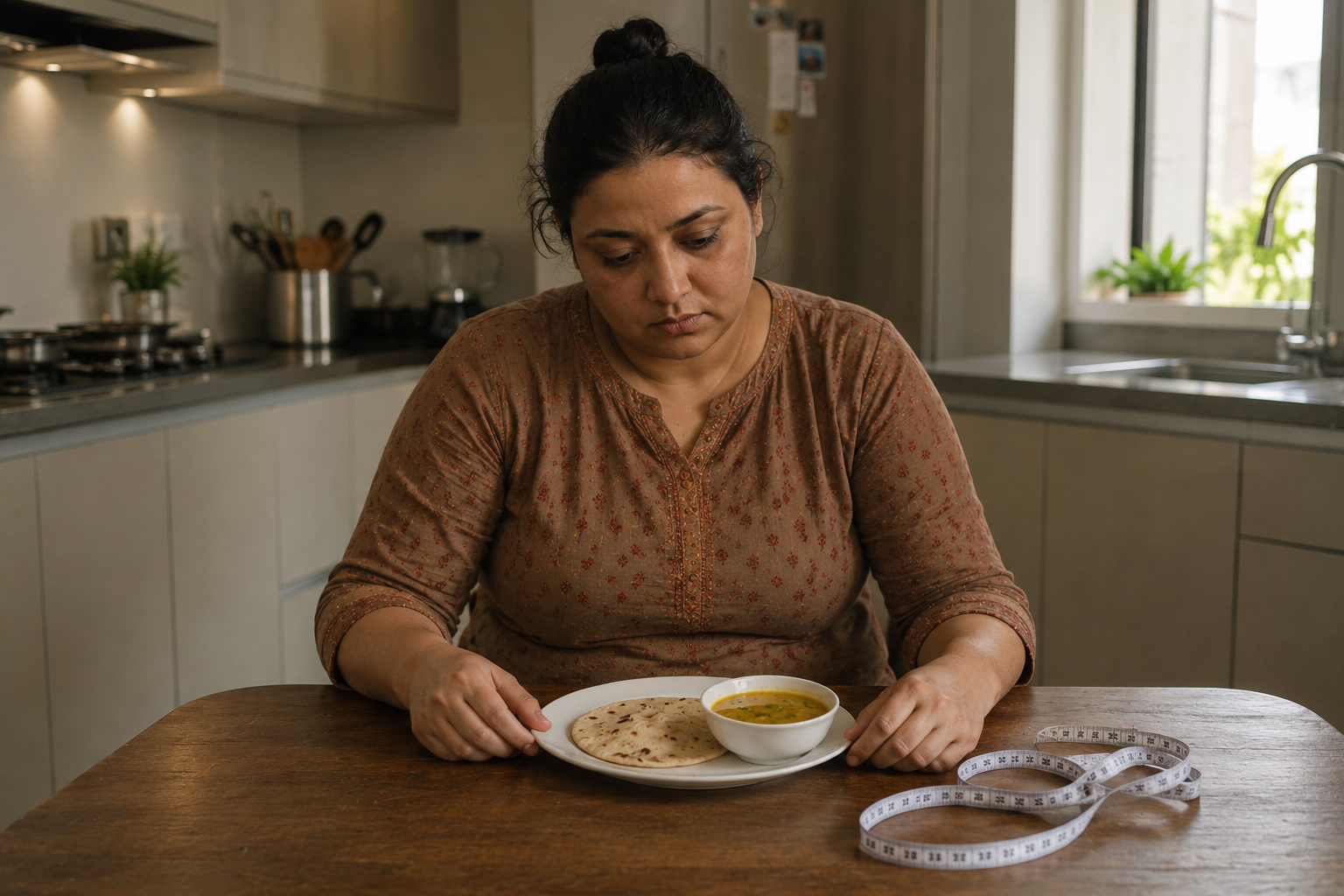
In many ways, the answer to losing belly fat or excess weight is very easy and logical: “eat less” and “move more”. This approach fits like a square peg into a round hole. In other words, if you consume fewer calories than your body burns, then your body will get rid of the extra pounds.
But unfortunately, for millions of people this isn’t the case. Factors such as metabolism, hormones, and gut health can influence how the body responds to diet and exercise. People lose the same amount of weight on diets as they did before they started dieting. The same goes for exercise. No matter how hard these individuals try to adhere to the ‘calorie in-calorie out’ model of weight loss, some are left with large amounts of abdominal fat that don’t go away.There are two types of fat, subcutaneous (just under the skin) and visceral (underneath the muscle layer). Visceral fat can look, feel, and act similar to muscle. Most clinicians refer to this type of fat as visceral adiposity. What scientists have discovered over the last decade about why visceral fat occurs and continues to accumulate does not fit within the old calorie-based formulas.
Chronic low-grade inflammation, insulin resistance, and disruptions in hormone signaling are three documented mechanisms that contribute to the accumulation of visceral fat. However, there have been some surprising discoveries made regarding the mechanism behind the accumulation of visceral fat.
A 2024 study published in Nature Communications has shown that chronic inflammation caused by obesity leads to changes in the composition of gut bacteria, which leads to recruitment of inflammatory cells to visceral adipose tissue. These cells create an active loop that restricts weight loss through calorie reduction. The evidence indicates that the gut microbiome is not merely a bystander in the accumulation of belly fat, but rather it may be responsible for its creation.
A bathroom scale is terrible as a doctor. A scale shows you the amount of mass on your body; however, it doesn’t show you where that mass resides. In terms of metabolic health, the area that mass resides in is what really matters.
There are essentially two areas in which humans store fat: subcutaneous fat and visceral fat. The most visible form of fat is subcutaneous fat. This is the layer of fat that you can feel when you pinch your waist or thighs. It is generally quiet from a metabolic standpoint (less inflammation) and relatively inactive from an endocrine (hormonal) standpoint. While there is no such thing as “good” fat, moderate amounts of subcutaneous fat have little impact on overall health. Visceral fat is the second major area of fat storage. This type of fat surrounds the liver, pancreas, and small intestine inside the abdomen. Visceral fat is very aggressive in terms of metabolism. For example, visceral fat releases pro-inflammatory cytokines into circulation. Visceral fat also impairs signaling pathways involved with insulin release. There is evidence that visceral fat alone increases the risk of developing Type II diabetes, cardiovascular disease, and Non-Alcoholic Fatty Liver Disease (NAFLD).
Research published in the journal Lancet Diabetes & Endocrinology has established that Indians have a disproportionately high ratio of visceral to subcutaneous fat, even at weights considered clinically normal. Furthermore, research indicates that this disproportionate accumulation occurs regardless of whether the individual’s weight falls within the “normal” range. An individual who weighs approximately 53 kg (BMI = 23) in India may possess the same proportionate amount of visceral fat as an individual weighing approximately 72 kg (BMI = 27) in Europe. Researchers refer to this as the South Asian Metabolic Phenotype. Many people colloquially refer to this phenomenon as “thin-fat syndrome.”
These findings suggest important implications for both researchers and practitioners working in the field of obesity treatment. The standard approaches to losing weight based upon measurements of body mass index (BMI), developed primarily through the study of Western bodies, may underestimate metabolic risk associated with overweight/obesity status among adults in India. Similarly, these approaches may overestimate the potential benefits of traditional dietary interventions aimed at reducing body weight among adults in India.
Approximately 38 trillion microorganisms exist within the human gut; this number is comparable to or even more than the number of human cells in the body. Collectively referred to as the gut microbiome, this population of microbes performs a wide array of physiological processes, including extracting energy from foods, regulating immune responses, producing metabolites capable of influencing the central nervous system (neurotransmitters), and communicating with other organs such as the liver, the brain, and adipose tissues.
One of the most active areas of investigation related to obesity and the gut microbiome has been its influence on body weight and fat distribution. Research has shown that the presence or absence of gut microbes influences both body weight and fat distribution. In a series of studies using genetically modified mice lacking any type of gut bacteria (“germ-free” mice) were fed identical amounts of food compared to their “normal” counterparts yet remained significantly less overweight. Upon transplanting gut microbes from obese mice into the germ-free recipient mice, they rapidly accumulated visceral fat without changing their amount of food consumption. This clearly indicated that the microbiome had an independent effect on fat accumulation beyond dietary caloric consumption.
In addition to animal models, studies have also demonstrated similar results in humans. A landmark study published in Genome Biology demonstrated that the heritability of visceral fat is largely mediated by gut microbiome composition. Similarly, research from the ZOE PREDICT study, which involved one of the largest investigations of diet and microbiomes, found certain types of bacteria that are consistently associated with reduced levels of visceral fat while others are consistently associated with increased levels of visceral fat.
A key factor distinguishing the two states is whether the individual possesses a diverse, balanced microbiome or there’s a state of dysbiosis. In individuals with dysbiosis, there is often a loss of microbial diversity, with dominant opportunistic species leading to inflammation. While it may seem that the primary impact of dysbiosis would be on digestion, the loss of balance can lead to changes in how the body manages fat.
A healthy gut lining is only a single cell layer thick. That single layer of epithelial cells (with tight junction proteins holding them all together) is one of the body’s most important barriers. These tight junction proteins allow for nutrient absorption while keeping bacterial components, toxins, and undigested foods out of the bloodstream.
This barrier can be compromised due to Dysbiosis. As microbial diversity decreases and inflammation-promoting bacteria increase, the tight junction proteins will begin to break down. Then the gut lining will be more than just leaky; it will be extremely porous. Clinicians have identified this as increased Intestinal Permeability or “Leaky Gut”.
As mentioned earlier, what leaks through these pores has an enormous impact. Lipopolysaccharides (LPS) are molecules on the outer membranes of some gut bacteria. They stay inside the gut when there’s good health. However, they leak into your bloodstream at a very slow rate because of a permeable gut wall. The constant presence of these LPS in the blood triggers chronic low-level inflammation. Researchers refer to this condition as Metabolic Endotoxemia.
It should come as no surprise that this type of metabolic endotoxemia would cause an immediate reaction with the visceral fat. LPS-driven inflammation causes macrophage activation within the adipose tissue. Additionally, this same LPS-driven inflammation increases the formation of new fat cells. Finally, and possibly most importantly, LPS-driven inflammation leads to insulin resistance. Insulin resistance occurs when cells cannot respond to insulin properly. Therefore, when the body realizes that its cells cannot utilize insulin effectively enough, it produces even more of it. Excess levels of insulin are one of the strongest signals available to the body to store visceral fat.
A 2024 study in Nature Communications confirmed that obese related gut microbiota recruit neutrophils into the visceral adipose tissue, thereby continuing to sustain the inflammatory loop previously established. Thus, the effects created by this vicious circle are compounded: the process starts when dysbiosis creates an environment where there is inflammation, then this same inflammation promotes additional visceral fat accumulation
Fat isn’t the only aspect of metabolism affected by a malfunctioning gut microbiome; however, it also plays a protective role from excessive visceral fat accumulation via the SCFAs (short-chain fatty acids) produced during normal functioning.
Acetate, propionate, and butyrate represent the three major types of SCFAs. These are generated as beneficial gut bacteria ferment non-digestible dietary fiber in the large intestine. Among all the compounds the microbiome produces, these are probably the most important metabolically. In addition to maintaining the barrier function of the intestinal lining and thereby preventing increased permeability that leads to metabolic endotoxemia, butyrate reduces hepatic gluconeogenesis, which lowers the demand placed upon cells by insulin. Acetate diffuses into the blood and has been demonstrated to affect fat storage within adipocytes.
One of the largest studies of this type: the King’s College London Twins UK Study – examined 948 individuals and found that serum levels of acetate were inversely correlated with visceral fat area. Further, the researchers concluded that gut bacteria were responsible for producing acetate. As such, what the researchers identified is a key point: the microbiome is acting “upstream” of fat accumulation rather than simply reacting to it.
Most individuals divide their own experiences of digestive upset and weight gain into two separate issues; the first being related to your “gut” (digestive) health, and the second being about diet and physical activity. The scientific evidence increasingly supports that the separation of these two categories may be artificial.
IBS is diagnosed or suspected by approximately 14% of Indians. This makes it among the most commonly occurring gastrointestinal disorders in India. Bloating, changes in bowel habits, abdominal pain/discomfort, and cramps are all symptoms associated with IBS. While many people have some understanding of IBS as a “gut” disorder, fewer understand that IBS is primarily caused by altered gut flora (dysbiosis) and increased intestinal permeability, which can lead to increased deposition of visceral fat.
A study was conducted using data from patients with IBS published in the Journal of the British Society of Gastroenterology (Gut), which found that there were significant correlations between the microbial profiles of patients with IBS and metabolic dysfunction. Specifically, patients with IBS had decreased populations of butyrate-producing bacteria, increased intestinal permeability, and chronic low-grade inflammation, which are characteristics known to cause the development of visceral fat.
Therefore, while bloating and abdominal swelling can be uncomfortable, in many cases they are indicators of a disturbed gut environment that also promotes metabolic risks. As such, the bloating indicates the presence of fermentation disturbances and microbiota imbalances. Visceral fat indicates how those same imbalances impact you metabolically on a greater scale.
Treating each issue separately will provide at least a partial treatment. It could result in missing the root cause completely.
When you find yourself worried about your belly fat, the first thought is usually immediate and very common: eat less. Eat smaller amounts of food, lower your carbs, reduce your caloric intake. This is an old remedy for managing weight loss, and it is probably the most physiologically counterproductive thing you could do if you have gut dysbiosis.
What makes this work against you is how much of a specific type of nutrient (calorie restriction) is removed when you cut back on overall caloric intake. The majority of people who cut back on their caloric intake do this by cutting down on the total amount of food they eat (ie, fiber, fermented foods, and variety of plants). These are the types of nutrients that fuel beneficial gut microbes and support the production of short-chain fatty acids. Therefore, when you create a calorie deficit by restricting your overall caloric intake without intentionally focusing on supporting your microbiome, you will likely make your gut dysbiosis worse than it would be otherwise.
In India, there is another aspect to consider within the context of diets for weight loss. In India, a normal diet for weight loss typically consists of smaller portions of rice, roti, and dal. These types of meals already provide limited amounts of bioavailable protein and consist mainly of refined carbohydrates. Therefore, once protein levels fall below those required to maintain muscle mass, the body starts using its own muscle for energy. In medical literature, this is referred to as sarcopenic obesity (decreases in skeletal muscle mass while experiencing either continued increases or worsening in visceral fat).
Skeletal muscle is an important organ that takes up glucose in response to insulin. Once muscle mass decreases due to inadequate protein intake, insulin sensitivity will also decrease. Decreased insulin sensitivity leads to increased signaling from visceral fat. Furthermore, since the gastrointestinal tract has been compromised by low amounts of dietary fiber, it loses even greater microbial diversity as the metabolic environment continues to worsen.
A 2024 study published in Nature provided direct molecular proof of this mechanism. The authors demonstrated that increasing Blautia and Dorea populations in obese patients with insulin resistance changed the way these subjects metabolized carbohydrates, leading to increased fat storage and systemic inflammation. These are species that thrive in a low-fiber, high-refined-carb diet, similar to many Indian attempts at calorie restriction.
Therefore, simply eating less without changing the way you eat and without attending to the state of your gut will not stop the cycle. It compounds the damage.
Changing the view from “belly fat” to “gut health problems” completely alters how we see a successful treatment for this issue. We can’t just think about calorie reduction anymore. Now our focus is to restore the microbiological conditions where your body will stop using excess energy to store fat around your organs.
Based upon the research we have reviewed, there are three primary ways to accomplish this. First, increasing dietary diversity has been demonstrated to be the most consistent strategy. The ZOE PREDICT study found that people who consumed at least thirty different types of plants each week had higher levels of microbial diversity and lower levels of metabolic inflammation than others who were consuming fewer plant-based foods despite consuming similar amounts of calories.
Different bacteria consume different types of fiber. If you restrict your diet too much, you will essentially be starving many parts of your microbiome.
Second, adding fermented foods adds another important element. A 2021 Stanford study in Cell found that when participants added fermented foods to their diet, it produced increases in their microbiome diversity and decreases in nineteen inflammatory proteins that play significant roles in visceral fat production. Importantly, even though the researchers provided the same amount of fiber to all participants, they observed that participants who were experiencing compromised microbiome status experienced little benefit from increasing fiber consumption.
Lastly, ensuring adequate protein distribution throughout the day provides a final piece of the puzzle. Research has demonstrated that distributing enough protein over several meals preserves muscle mass while maintaining insulin sensitivity and reducing the visceral fat signaling that dysbiosis enhances.
All of these treatments are relatively simple. None of them are addressed through the message to “eat less.
The 3 methods described above have substantial support from population-based studies. However, these studies typically hide large amounts of variability among individuals. For example, two individuals who eat the same diet, have the same Body Mass Index (BMI), and the same waistline measurement may still have completely different gut microbiota compositions. Furthermore, each person’s gut microbiota has potentially very different implications for how they respond to interventions aimed at reducing visceral fat.
That is why testing the gut microbiota makes such an enormous difference. A complete gut microbiome analysis provides detailed information about both the types of bacteria that live in one’s gut as well as the relative amounts of each type present. It identifies potential deficits in certain SCFA-producing bacteria, indicators of dysbiosis, factors which contribute to increased risk of intestinal permeability, and the microbial signatures indicative of increased risk for developing insulin resistance or accumulating visceral fat. Unlike prescribing a generic dietary treatment plan and waiting months to see if it is effective, testing enables you to target your treatment from day one.
The clinical value of using a patient’s own gut microbiota when making recommendations for his/her dietary treatment was clearly shown in the PREDICT Study Intervention Group. Participants receiving personalized dietary recommendations based upon their own microbiota and metabolic profiles achieved statistically significant improvements in blood glucose levels, waistlines, and body weight compared to participants receiving conventional dietary recommendations.
Given the unique combination of a south asian metabolic phenotype, dietary patterns lacking diversity in plant foods, and high consumption of processed carbohydrates present in many parts of India, creating compounding risks to gut health, there is a strong rationale for testing before starting a treatment program. Longeny’s Gut Microbiome Panel was developed specifically to meet this need by correlating an individual’s microbial profile to their metabolic risk factors so as to provide them with personalized recommendations tailored to their needs rather than general guidelines applicable to the population.
Belly Fat Is a Symptom. Your Gut Is the System.
The calorie model for belly fat is not wrong. However, this model is using an incorrect level of granularity. A microbiological ecosystem dictates which metabolic pathways will be utilized by your body in response to visceral fat. Thus, the reason diets fail most people nearly all of the time is that they do not address the cause of the obesity but merely the symptoms.
Reversing visceral fat accumulation requires restoration of the gastrointestinal tract (GIT) environment where fat storage is the abnormal state and not the normal state. The GIT conditions that allow fat storage to occur less frequently include higher levels of dietary fiber that can be fermented, increased amounts of dietary protein, and reduced chronic inflammation. These are not ancillary issues; these are required to begin treatment.
A diet alone will not solve the issue. It was never intended to.
Frequently Asked Questions
How does gut health affect belly fat?
The influence of the gut microbiome on visceral fat exists by way of three interdependent pathways. The first pathway is the regulation of short-chain fatty acid (SCFA) production, which affects fat storage signaling; the second pathway is the control of the integrity of the intestinal lining to prevent inflammatory substances from entering the circulatory system; the third pathway is the direct influence on insulin sensitivity.
What is the connection between leaky gut and weight gain?
An open or “leaky” gut lining constantly allows lipopolysaccharides (LPS) into the bloodstream from the bacteria in your gut. These LPSs bind to an immune receptor called Toll-Like Receptor-4 (TLR4). The constant binding of LPS to TLR4 creates a state of low-grade chronic inflammation. Low-grade chronic inflammation increases insulin resistance by increasing the number of glucose receptors on muscle cells; it also increases the formation of new adipocytes (fat cells), especially in the visceral compartment. Therefore, addressing intestinal permeability is a key component of visceral fat loss interventions.
What is metabolic endotoxemia?
Metabolic endotoxemia is an ongoing, low-grade condition where your body’s immune system remains in a hyperactive state as a result of persistent exposure to bacteria (lipopolysaccharides), which have escaped from your gastrointestinal tract due to damage to your intestinal lining. The presence of metabolic endotoxemia has been linked to increased levels of insulin resistance, the growth of excess abdominal fat (visceral fat), and/or increased production of inflammatory mediators. While some individuals may experience overt symptoms such as bloating, most do not exhibit symptoms at all.
Is bloating connected to belly fat?
Frequently, yes. The reason for persistent bloating is related to the conditions of gut dysbiosis and fermentation dysregulation that lead to the development of visceral fat through inflammation and insulin resistance. Therefore, while they have different names (i.e., bloating vs. visceral fat) their origins are likely very similar; both conditions have the same underlying microbial cause.
Can IBS cause weight gain around the abdomen?
The mechanisms driving IBS (reduced levels of butyrate-producing bacteria, increased intestinal permeability, and ongoing low-grade inflammatory responses) are similar to those mechanisms promoting the development of visceral fat (i.e., an abnormal gut microenvironment). Therefore, it’s reasonable to conclude that while IBS may or may not contribute to weight gain per se, the gut environment that gives rise to IBS symptoms is often the same gut environment giving rise to the development of metabolic dysfunction and accumulation of visceral fat.
What does a gut microbiome test show?
A comprehensive analysis of the gut microbiome test provides information on the composition and relative abundance of bacterial species within the gut. Therefore, deficiencies in SCFA-producing bacteria, indicators of dysbiosis, indicators of potential increased intestinal permeability, and biomarkers for insulin resistance and/or the development of visceral fat can all be identified and provide a biological reference point from which personalized dietary interventions can be developed.
Why is gut microbiome testing relevant for Indians specifically?
In South Asia, individuals develop visceral fat at lower BMI’s compared to Western countries, therefore carrying a greater degree of baseline metabolic risk as a result of gut dysbiosis due to consumption patterns characterized by low intake of various types of plants and high intakes of refined carbohydrates. Population-level dietary recommendations are based on average physiological characteristics. Using microbiome testing allows for intervention to be customized to the individual based on their unique microbial and metabolic profile.
Action Questions
What is the best diet plan for reducing visceral fat through gut health?
The best-supported approach for improving obesity involves a combination of diet variety (30 + plants) each week to improve microbial diversity; inclusion of fermented foods to add beneficial bacteria; and an adequate protein distribution throughout the day to help prevent loss of muscle mass and insulin sensitivity. Calorie restriction on its own will actually worsen dysbiosis and increase visceral fat.
Does dieting alone work for belly fat?
Calorie restriction does not do much to reduce visceral fat. Visceral fat is created from dysbiosis of the gut microbiome, constant inflammation, and poor insulin function. None of those factors are reduced through reduction in the amount of food you eat. A calorie-restrictive diet with no additional increases in variety of plants eaten; fermented foods added; and an increased level of protein consumed will only hasten your loss of good microbes and make worse the metabolic problems creating visceral fat.