
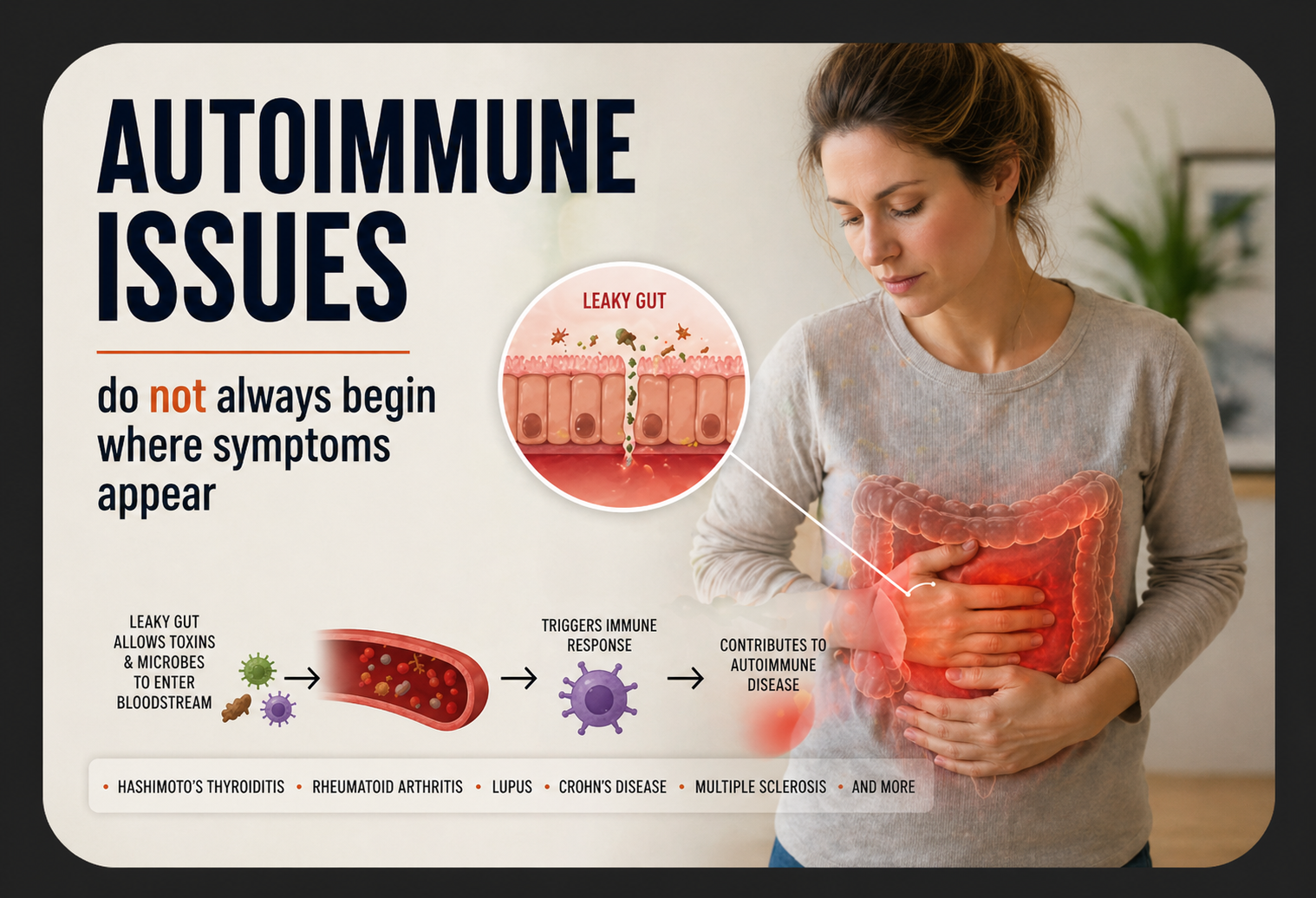
Science has quietly moved on from dismissal. Here’s what it’s now saying.
For a long time, “Leaky Gut” was the term mainstream medicine loved to mock. It sat in a weird limbo: wellness advocates swore by it, while traditional doctors usually rolled their eyes. If you brought it up in a consult, you were probably politely redirected or told to spend a little less time on health blogs. To be fair, there was a reason for the skepticism. The name itself sounds a bit unscientific, and it became such a “catch-all” for every mystery symptom – from brain fog to skin breakouts that researchers stayed away, fearing it was just a wellness trend.
But over the last decade, the tone has changed. We’ve seen a massive surge in research from major journals like Frontiers in Immunology looking into “intestinal permeability”, the scientific name for a leaky gut. This shift is why more people are now seeking out a gut microbiome test to get real answers. We’re moving away from guesswork and toward actual data. Doctors and immunologists are finally piecing together how the health of our gut lining directly dictates how our immune system behaves. It’s no longer just a theory; it’s a measurable reality that you can see through professional gut microbiome testing.
Scientists are now tackling the big questions: How much does this lining actually control our health? Which comes first, the gut issue or the immune response? And most importantly, what can we actually do about it?
Here are some of the biological bases for the intestinal lining changes your Doctor may not have described.
The intestinal lining is the most unusual surface in the human body from an anatomical perspective. Structurally, it is but one-cell wide – a continuous layer of epithelial cells which, if spread out, would be roughly equal to the floor space of a studio apartment. This single cell-wide membrane is literally the only thing standing between the contents of your gut (bacteria, bacterial toxin fragments, pieces of food you didn’t digest, chemicals) and your bloodstream.
So, how does this layer function instead of breaking? There is a network of protein complexes called tight junctions that perform the structural role of mortar between bricks: extremely precise molecular clamps holding adjacent epithelial cells together tightly enough to create a selectively dynamic barrier. In its ideal state, tight junctions permit the passage of water, nutrients, and small molecules in a strictly controlled manner; they also prevent entry by virtually everything else the body has determined can enter. The space between epithelial cells maintained by tight junctions is incredibly narrow, measuring between ten and fifteen angstroms – much narrower than most individual molecules — allowing the “filtering” to occur at an almost microscopically precise scale.
Tight junctions function optimally under normal conditions. When they do not, the damage spreads throughout the entire body and effects are only now beginning to be realized in their full extent.
Increased intestinal permeability occurs when tight junction proteins are degraded or lose organization due to chemical signaling, etc. At these times, the integrity of the barrier decreases. Bacteria, fragments of bacterial cell walls called lipopolysaccharides (LPS), partially broken-down food proteins, and other antigens start moving across the epithelium layer in amounts the immune system was never intended to deal with on a long-term basis. They are not pouring across – this is not a rupture. It is a gradual trickle. And it is the chronic nature of that trickle that is most important.
Why? Approximately seventy percent of the total immune tissue found within the human body is positioned in and about the wall of the gastrointestinal tract, known as gut-associated lymphoid tissue or GALT. Immune cells in this location are always monitoring what passes through the barrier. Normally, they tolerate daily exposure to routine antigens and mount a focused response to real threats. However, when the barrier becomes progressively more leaky over time, the immune system encounters an unending and very low-grade deluge of foreign materials. It becomes, in terms of immunology, chronically stimulated. And chronic stimulation of the immune system, prolonged unresolved inflammation — is precisely where autoimmune diseases take root.
This is not a wellness theory. This is cell biology. And it is the fundamental framework upon which the balance of this narrative will evolve.
Numerous studies by various researchers have documented elevated markers of intestinal permeability (including raised serum zonulin levels and abnormal lactulose/mannitol ratios) in patients with rheumatoid arthritis, multiple sclerosis, ankylosing spondylitis, type 1 diabetes, and systemic lupus erythematosus. Moreover, elevated markers were found in all of these patient populations to a significantly greater degree than in healthy control populations. ScienceDirect
This is most evident in the case of type 1 diabetes. Several studies using both humans and disease-prone animals have shown that impaired barrier function of the intestine precedes the development of the disease – i.e., it is not simply a result of the disease, but rather a precursor to the disease. PubMedCentral. This matter of sequence is critical because it establishes the gut as an active participant in disease development.
Research has demonstrated that a key mechanism for the progression of lupus is through the movement of bacteria or their toxic products into the bloodstream as a result of increased permeability of the gut. Upon entry into circulation, these microorganisms stimulate and activate the immune system. In turn, the immune system produces a vigorous response against the microorganisms, which may include attacks on the individual’s own tissue if they resemble or mimic those produced by the bacteria. WileyOnlineLibrary Molecular mimicry is a specific example where certain proteins produced by bacteria closely match structural components of self-tissues. As a result, when the immune system responds to bacterial antigens, there is also a likelihood of an immune response being generated against self-antigens.
To accurately represent what the current scientific literature supports regarding autoimmunity, we need to clarify what is supported and what is not supported. On one hand, while genetic influences remain primary determinants for developing an autoimmune disease, environmental factors and how they interact with genetics play a substantial role in contributing to autoimmunity. However, gut permeability is viewed as just one factor among several environmental triggers that contribute to autoimmunity. Thus, genetics remains the foundation upon which susceptibility is established; however, a compromised gut barrier provides one additional environmental trigger for initiating an autoimmune response in genetically predisposed individuals.
There has been a wealth of information developing about the impact of gut permeability on your overall health. However, until the past decade or so, there had always been a missing link. A scientific explanation of why the gut barrier initially fails, and how those failures relate to a broader immune dysfunction. Until now, the science behind the gut-autoimmune connection was very compelling — yet unproven due to a lack of supporting mechanisms.
The missing piece fell into place during the early 2000’s when Dr. Alessio Fasano, a gastroenterologist and scientist, discovered a protein called zonulin. Zonulin is the only known physiological regulatory agent for tightening or loosening tight junctions within the lining of your intestines. Tight junctions are held together by proteins (tight junction proteins), which provide structural integrity to the lining of the intestine. When you have a leaky gut, some of the tight junction proteins become damaged, thereby creating holes in the lining of your gut.
Zonulin works by acting as a signaling molecule that tells your body to relax or tighten its tight junctions. In short-term bursts, this is beneficial and helps protect against harmful invaders (such as bacteria). However, when zonulin signals become prolonged and out of control, it leaves your tight junctions open much longer than they should be.
Why is zonulin important? Because researchers measured zonulin in patients who suffered from various forms of autoimmune diseases and found them to be higher in serum concentration than healthy controls. Researchers tested patients with MS (multiple sclerosis), AS (ankylosing spondylitis), RA (rheumatoid arthritis), T1D (type 1 diabetes), and other similar autoimmune disorders. What they found was a common thread among many autoimmune diseases: high levels of zonulin.
Dr. Fasano took his findings even further and proposed that there are three factors involved in the activation of autoimmune disease: Genetic Predispositions, Environmental Triggers, and Increased Intestinal Permeability. According to Dr. Fasano, for autoimmunity to be activated, all three of these components need to occur at the same time. Moreover, Dr. Fasano states that if the interactions between genetics and environmental exposures are interrupted by restoring function to the intestinal lining (i.e., reducing permeability), autoimmunity will also be reduced.
This new way of thinking is quite revolutionary. It means that while you may not be able to alter your genetic predispositions, you can modify the gut barrier (which is influenced in part by zonulin) through diet, nutrition, and supplementation. While autoimmunity is still viewed as a genetic issue, it no longer appears to be an irreversible fate.
To understand how the gut lining breaks down is where scientific data meets practical application. While many factors blamed by wellness communities have some level of supporting research, each contributor is not equally supported as being linked to compromised gut lining; therefore, below is an outline of the evidence.
A major contributor to the compromise of the gut lining has been identified as the result of microbial imbalance (dysbiosis) within the body. This can occur due to antibiotics used repeatedly throughout life, continuously elevated stress levels, leading to a weakened immune system, or a low-fiber diet. In general, beneficial microbes such as Lactobacillus and Bifidobacterium help produce tight junction proteins, which keep the gut lining intact. As these beneficial microbe populations decrease, the integrity of the barrier decreases. Both human autoimmune diseases and murine autoimmunity models show a strong association of microbial dysbiosis and increased gut permeability, and since this relationship exists consistently across various types of autoimmune diseases, it would seem unlikely to exist by coincidence, according to the findings published on PubMed Central.
The gut-brain axis allows for a bidirectional flow of communication from the brain to the gut, which includes stress responses. Stress triggers an increase in hormone levels (cortisol), which in turn negatively alters the population sizes of beneficial microorganisms in the gut. Elevated cortisol levels also stimulate the production of pro-inflammatory cytokines, which are known to break down tight junction proteins. Therefore, there is a direct physical link between chronic stress and increased risk of developing compromised gut lining (leaky gut).
In addition to stress, regular use of nonsteroidal anti-inflammatory drugs (NSAIDs) and excessive alcohol consumption have been proven to cause alterations in human studies related to increases in gut permeability. There is a paradoxical relationship when considering individuals who take pain medication regularly – it appears that one of the ways that pain medications create chronic inflammation, potentially causing greater dependence on the medication, is through creating a state of increased gut permeability.
While diet plays a role in maintaining healthy gut lining function, there is an important nuance. Consuming ultra-processed foods containing large amounts of emulsifiers will significantly disrupt the balance of beneficial microorganisms in the gut. Gliadin is a protein contained within wheat products that has been demonstrated to trigger the release of zonulin, which leads to increased gut permeability. Research indicates that while gliadin’s ability to induce an increase in gut permeability is most pronounced and longest lasting in patients diagnosed with celiac disease, a lesser degree and duration of response may occur more generally. However, based upon the current understanding, it is clear that complete elimination of gluten from one’s diet may not be necessary. A general assessment of food quality does appear to have an identifiable relationship between eating habits and maintaining a functional gut lining barrier.
What the evidence does not support is the idea that leaky gut is a standalone diagnosis explaining every chronic symptom. Intestinal permeability is a legitimate medical condition; however, we do not currently understand whether or not it constitutes a disease by itself, nor do we fully comprehend whether it causes all of the conditions commonly associated with leaky gut – Cleveland Clinic. While a genetic predisposition contributes to the likelihood that individuals will develop certain autoimmune diseases, it is essential to recognize that our knowledge base concerning the causal relationships connecting autoimmune diseases and intestinal permeability continues to evolve.
The research points to something actionable. Although we continue to refine our understanding of what causes an impaired gut barrier (and associated autoimmune conditions), there is considerable evidence that supports safe, effective ways to maintain gut barrier integrity regardless of whether you may be at risk of developing an autoimmune condition or just want to ensure that your immune system remains functional as you grow older.
The gut bacteria that help build and maintain an intact gut barrier feed on a wide array of different types of plant-based fibre sources. Therefore, attempt to eat a variety of plant-based foods, including vegetables, legumes, whole grains, and fruits. It has been shown through research studies that specific prebiotic fibres, such as inulin, support the growth of Bifidobacterium species while also supporting improved gut barrier function.
Fermented foods provide living microorganisms that directly contribute to the health of the intestinal lining and have been identified as supportive in maintaining the integrity of the gut. In 2021, researchers at Stanford University reported significant improvements in both gastrointestinal and systemic inflammation when subjects consumed diets rich in fermented foods. Examples of fermented foods include yoghurt, kefir, kimchi, sauerkraut, miso, and many other examples.
More recently, researchers have demonstrated that certain strains of probiotics can prevent or reverse a leaky gut by increasing the production of tight junction protein in the gut. According to the National Institutes of Health, strain-specificity is important. Specifically, select formulations that contain Lactobacillus acidophilus, Lactobacillus paracasei, Bifidobacterium lactis, and Bifidobacterium bifidum. These strains have all been documented to be beneficial to the maintenance of gut barrier integrity.
The gut-brain axis refers to the communication network between the enteric nervous system and the central nervous system. This relationship is bi-directional. Thus, it is not simply a “wellness” concept. There is documented evidence from multiple studies demonstrating that consistent sleep patterns, diaphragmatic breathing techniques, and mind-body relaxation practices positively impact both microbiota composition and inflammatory markers.
Both excessive alcohol consumption and chronic use of non-steroidal anti-inflammatory drugs have been proven to negatively affect gut permeability. If you consume NSAIDs regularly, discussing possible protective measures for your gut barrier with your physician could prove to be valuable.
Ultra-processed foods contain emulsifiers and refined sugars along with low amounts of fibre. All three factors combined create an imbalance in the microbial population that maintains the integrity of the gut barrier. The cumulative effect over time will cause greater damage than any one particular meal.
This change reflects an increasing incidence of Autoimmune Diseases (AID) globally, as measured by an increase in the age-adjusted prevalence from 1990 to 2021 by almost 100%. This is clearly NOT a Genetic Change. Our genes have not altered significantly in thirty years. These changes indicate an accumulation of environmental and lifestyle factors on which the body was never equipped to react.
One of the best examples illustrating this principle underlying longevity science is the Gut-Autoimmune Connection. The idea that health span can be created through your everyday choices is at the heart of this principle. The gut barrier is one of these systems. The gut barrier is a system that can be modified and evaluated based on how you choose to live.
At Longeny, it is this type of “upstream” thinking that defines our mission. We do not focus on treating the symptom when it arrives, but rather we understand the foundational elements (immune regulation, gut integrity, systemic inflammation) of biology that will not only dictate how long you will live, but also how well. If you are willing to take the foundational aspects of biology seriously, then the Gut provides a compelling science-supported starting point for developing a healthy base.
1. Is “Leaky Gut” considered an autoimmune condition?
No, leaky gut (increased intestinal permeability) is not categorized as an autoimmune disorder. Leaky gut is when your gut lining has become so porous that it allows undigested food particles, bacteria, toxins, etc., to cross over from the GI tract into the bloodstream. However, there is a strong connection between having a leaky gut and developing autoimmune disorders. In fact, many researchers believe that leaky gut may either contribute to or trigger autoimmune disorders such as Crohn’s disease, rheumatoid arthritis, and type 1 diabetes. To put it another way, leaky gut is like leaving the front door open…autoimmune disorders are the people walking in.
2. Is it true that 70% of the immune system is located in the gut?
Yes, very generally that is correct. Approximately 70-80 percent of the total amount of the body’s immune system can be found in the gut. Specifically, these cells reside within an array of tissues known as the GALT (Gut-Associated Lymphoid Tissue) or Gut-Associated Immune System. Therefore, the gut would be classified as the body’s largest immune organ.
Logically speaking, if the “outside” were to enter the body via ingestion of food and/or bacteria/pathogens, the body needs to have a large amount of immune surveillance at that entry point for protection. Therefore, when there is disruption of the gut microbiota, the immune surveillance present at the gut level is negatively impacted and therefore gut health has a direct relationship with systemic inflammatory response, autoimmune diseases, and overall disease risk.
3. What are the 5 warning signs of increased intestinal permeability (Leaky Gut)?
The most common early warning signs of chronic Leaky Gut include:
Persistent Digestive Issues – Bloating, Gas, Cramps, Diarrhea, Constipation, etc. for weeks/months after trying different diets.
Increased Food Sensitivities – Allergies/Reactions to Foods you have eaten without issue before.
Fatigue & Brain Fog – Your Body is working overtime because your Immune System has to work harder due to Toxins entering the Bloodstream from your Gut.
Skin Problems – Acne, Rosacea, Eczema, Psoriasis, etc. Many times they are related to Leaky Gut issues.
New Autoimmune Disease Diagnosis or Autoimmune Flare Up – There is growing research showing that a Leaky Gut can lead to new autoimmune disease diagnoses and flare-ups.
4. How does the protein “Zonulin” trigger an autoimmune response?
Zonulin regulates how tightly connected the cells in your gastrointestinal tract are – i.e. how well “locked” they are against each other. Gluten exposure, and/or exposure to harmful bacteria, will trigger zonulin to open those locks, creating an opportunity for large molecules that the gut is unable to digest to escape into the bloodstream. The immune system then recognizes these large molecules as being outside of normal boundaries and views them as dangerous, foreign entities. The issue with molecular mimicry occurs when some of the escaped molecules look like normal tissue within the body; therefore, the immune system may view both (normal tissue and the foreign entity) as a threat to be eliminated. Repeatedly performing this process will lead to a long-term activation of an autoimmune response. Increased levels of zonulin have been identified as a key mechanism linking a leaky gut to an autoimmune disease.
5. Which autoimmune diseases are most strongly linked to gut health?
All of the conditions listed have been shown to be linked to some form of gastrointestinal compromise. The most direct relationship was with
When we examine IBD, celiac disease, rheumatoid arthritis, type one diabetes, Hashimoto’s thyroiditis, multiple sclerosis, and lupus (SLE), the primary relationship between them all can be linked back to their association with a dysfunctional gut barrier. In each of these diseases, when there is a compromise of the intestinal wall, it creates for the body an environment where it is chronically exposed to antigens that normally should not have access to the immune system. This exposure can then lead to a sustained or heightened autoimmune response as well as potentially exacerbate the disease process in many cases. The gastrointestinal tract serves as a “barrier” from pathogens entering the bloodstream and creating an infection within the host. When this barrier becomes “leaky”, those pathogens now gain access to the rest of the body and create a condition known as sepsis.
6. Can you repair the gut barrier through specific probiotic strains and diet?
Yes. and there is a great deal of scientific research that supports this. The strongest evidence for restoring gut barriers comes from the use of the following probiotic strains:
Lactobacillus rhamnosus GG: restores tight junction function and has been shown to strengthen them.
Lactobacillus plantarum: up-regulates tight junction protein expression.
Bifidobacterium longum , decreases gut inflammation and prevents lipopolysaccharide (LPS) translocation across the gut wall.
Akkermansia muciniphila , repairs the mucus layer in the gut, which serves as the body’s first defense mechanism against harmful substances entering the bloodstream.
In addition, several dietary components have also been found to be effective at repairing or maintaining the integrity of the gut barrier:
L-glutamine , is primarily used as energy by the cells that form the lining of the intestines and can aid in sealing the gaps between these cells (tight junctions).
Zinc , when deficient, leads to increased intestinal permeability; supplementing zinc helps to reverse this issue.
Butyrate (short-chain fatty acid) , produced as a result of fiber fermentation; butyrate provides energy to the colonocytes that make up the lining of the large intestine and aids in the healing and restoration of the gut lining.
Polyphenols (found in berries, green tea, olive oil, etc.) , decrease inflammatory responses in the gut and provide a food source for beneficial microorganisms.
Gut barrier repair is not a passive process. It requires the presence of beneficial probiotic organisms, adequate amounts of necessary nutrient factors, and a reduction or elimination of all products that trigger or contribute to increased intestinal permeability.